
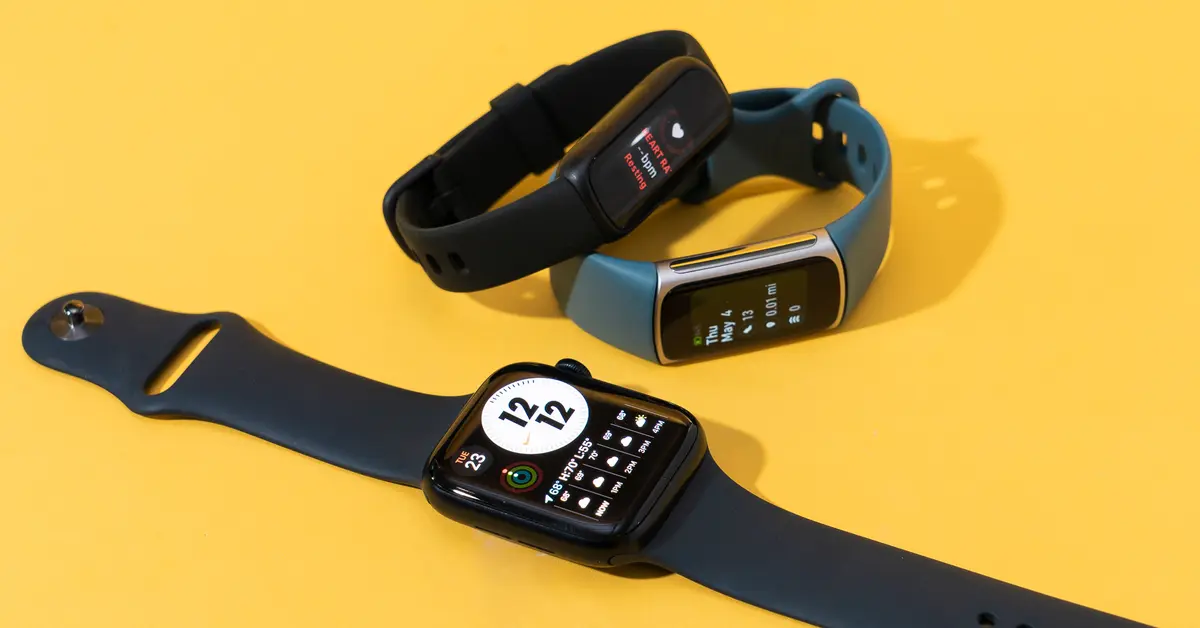
Fitness devices have revolutionized the way athletes, fitness enthusiasts, and even casual users monitor their health and performance. From smartwatches and fitness trackers to heart rate monitors and wearable sensors, these devices provide insights into physical activity, sleep quality, heart rate, calories burned, and more. However, the growing number of devices makes it challenging to identify which gadgets deliver accuracy, useful features, and real value for money. Properly evaluating these factors ensures that users invest in devices that enhance their fitness journey, rather than collecting dust on a shelf. This guide offers a comprehensive review of fitness devices, highlighting their key features, performance, and affordability to help you make informed decisions.
The Importance of Fitness Devices
Fitness devices are not just trendy gadgets—they are tools for monitoring health, improving performance, and motivating users to stay active. Accurate measurement of activity levels, heart rate, sleep patterns, and oxygen levels allows users to make data-driven decisions about training, nutrition, and recovery. Devices with real-time feedback enable athletes to adjust intensity, prevent overtraining, and optimize performance. Even for casual users, monitoring steps, activity minutes, and sleep quality encourages healthier lifestyle habits. Choosing a reliable device ensures that the information collected is meaningful, actionable, and worth the investment, making it a valuable addition to any fitness routine.
Accuracy: The Most Critical Factor
When reviewing fitness devices, accuracy is paramount. A device that provides unreliable or inconsistent data undermines its purpose and may mislead users about their health or progress. Accuracy depends on sensor quality, placement, calibration, and software algorithms. For example, optical wrist-based heart rate monitors can sometimes be less precise than chest strap monitors, particularly during high-intensity workouts. Step counters may miscalculate activity depending on movement type, and GPS-based devices track distance and pace accurately outdoors but can be unreliable indoors or in urban areas with tall buildings. Evaluating accuracy involves comparing devices against gold-standard measurements, controlled testing, and real-world usage to determine their reliability.
Key Features to Look For
Fitness devices offer a variety of features to support health and performance tracking. Some of the most common and valuable features include continuous or on-demand heart rate monitoring, step tracking for daily activity, sleep tracking to analyze duration and quality, and GPS tracking for distance, pace, and route mapping. Additional features like activity profiles for running, cycling, swimming, or strength training allow users to receive tailored metrics. Smartphone connectivity, notifications, inactivity alerts, and water resistance further enhance usability and versatility. Prioritizing features that align with individual goals ensures users invest in devices that provide meaningful data without paying for unnecessary extras.
Value for Money
Price is an important consideration when choosing a fitness device, but the most expensive device is not always the best choice. Value for money considers a device’s accuracy, durability, usability, battery life, software support, and extra features in relation to its cost. High-end devices may offer advanced metrics, sleek design, and comprehensive app ecosystems, while mid-range devices often provide reliable tracking for steps, heart rate, and basic workouts at a lower cost. Budget-friendly options may lack advanced features but can still be effective for everyday activity monitoring. A device that balances functionality, accuracy, and price offers the best long-term value for users.
Types of Fitness Devices
Fitness devices come in several categories, each designed to serve different user needs. Fitness trackers focus on daily activity, step count, calories burned, and heart rate, making them suitable for beginners. Smartwatches combine fitness tracking with smartphone integration, apps, and notifications, ideal for tech-savvy users seeking multifunctionality. Heart rate monitors, including chest straps or armbands, provide highly accurate heart rate data essential for monitoring training zones. GPS devices are tailored for runners, cyclists, and outdoor enthusiasts who need precise distance, pace, and route tracking. Wearable sensors go further, tracking VO2 max, lactate threshold, oxygen saturation, and recovery metrics, often used by professional athletes. Each type serves specific purposes, and reviews should consider the target user and intended activity.
How to Evaluate Fitness Devices
When conducting fitness device reviews, several factors should be assessed. Accuracy testing involves comparing device readings with gold-standard tools like chest straps, laboratory tests, or calibrated GPS devices to check for reliability across different activity levels. Feature assessment evaluates whether the device offers meaningful functionality aligned with the user’s goals. Usability considers comfort, interface design, syncing capability, and app quality, as a device with accurate measurements but poor usability may be frustrating to use. Durability includes water resistance, build quality, and battery life, while software support covers app functionality, trend visualization, updates, and customer service. Price comparison ensures the device offers features and accuracy proportionate to its cost. Comprehensive reviews combine these factors to provide actionable insights.
Popular Fitness Devices
Some of the most widely reviewed fitness devices include the Fitbit Charge series, known for reliable step counting, sleep tracking, and user-friendly interface; the Apple Watch, offering advanced heart rate, GPS tracking, and smartwatch capabilities at a premium price; the Garmin Forerunner series, focused on running and outdoor activity with excellent GPS and performance metrics; the Polar H10 chest strap, renowned for heart rate accuracy; and the Xiaomi Mi Band, a budget-friendly tracker offering basic features for cost-conscious users. Comparing these devices highlights how different products cater to different needs and budgets while maintaining varying levels of accuracy, features, and overall value.
Integrating Fitness Devices into Daily Life
Owning a fitness device is only effective if it is consistently used. Users should wear the device during workouts and daily activity, sync and review data regularly, and use insights to adjust training, nutrition, and recovery strategies. Setting realistic goals and tracking improvements over time enhances motivation and adherence. Combining device feedback with professional guidance, when necessary, helps optimize performance and long-term health outcomes. Proper integration ensures that fitness devices provide actionable insights rather than simply being gadgets.
Common Pitfalls to Avoid
Many fitness device reviews overlook critical aspects that affect user experience. Overemphasis on flashy features rather than accuracy, ignoring app quality, poor battery life, lack of durability, and comparing devices outside their intended user group are common pitfalls. Users should avoid relying solely on marketing claims and prioritize real-world performance, usability, and data reliability to make informed decisions.
Future Trends in Fitness Devices
The future of fitness devices includes advanced sensors for VO2 max, lactate threshold, oxygen saturation, and sleep stages, along with AI-driven coaching and personalized analytics. Enhanced smartphone and wearable integration, longer battery life, improved durability, and predictive health insights are becoming standard. Staying informed about emerging trends ensures that users choose devices that remain relevant, effective, and capable of supporting long-term fitness goals.
Final Thoughts
Fitness devices are powerful tools for tracking performance, monitoring health, and motivating users to stay active. Evaluating accuracy, features, and value for money is essential to ensure that devices provide meaningful insights and justify the investment. Accurate sensors, relevant features, usability, durability, and reliable software determine a device’s effectiveness. By understanding goals, comparing options, integrating devices into daily routines, and staying informed about future trends, users can maximize the benefits of wearable technology. Proper selection and consistent usage of fitness devices empower athletes, fitness enthusiasts, and casual users to make data-driven decisions, optimize workouts, monitor recovery, and achieve long-term health and performance success.