
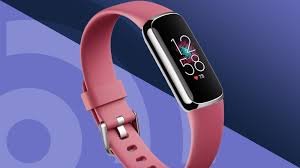
Fitness trackers have become an essential tool for athletes, fitness enthusiasts, and everyday users seeking to monitor health, track workouts, and optimize performance. With the rise of wearable technology, consumers are now presented with a wide variety of fitness trackers, each offering unique features, strengths, and limitations. From tracking steps and heart rate to monitoring sleep quality and offering advanced workout analytics, choosing the right fitness tracker can be a daunting task. Understanding the features, accuracy, compatibility, and user experience of popular devices is essential to select a tracker that aligns with your fitness goals and lifestyle.
Why Fitness Trackers Are Important
Fitness trackers are more than just gadgets—they are tools that provide insights into your daily activity, sleep patterns, heart rate, calories burned, and overall health. They help users set realistic goals, monitor progress, and maintain motivation by providing immediate feedback. For athletes and serious fitness enthusiasts, fitness trackers also offer detailed performance metrics, including distance, pace, VO2 max estimation, and workout intensity. By providing data-driven insights, fitness trackers allow users to make informed decisions about training, nutrition, and recovery. Choosing the right tracker ensures that the data collected is accurate, actionable, and tailored to individual needs.
Key Features to Consider
When comparing fitness trackers, several key features should be evaluated. Accuracy is critical, particularly for metrics like heart rate, steps, distance, and calorie expenditure. Battery life influences usability, with some devices lasting days while others require daily charging. Device compatibility with smartphones, apps, and third-party software affects the ease of syncing and tracking progress. Water resistance is essential for swimming or exposure to sweat and rain. Other features include GPS tracking, sleep monitoring, stress tracking, workout modes, guided workouts, notifications, and user interface design. Understanding these features helps users select a device that meets both fitness and lifestyle requirements.
Popular Fitness Tracker Brands
Several brands dominate the fitness tracker market, each with unique offerings and strengths. Fitbit is well-known for user-friendly devices, accurate step tracking, heart rate monitoring, and comprehensive app support. Garmin specializes in advanced GPS tracking, endurance metrics, and detailed workout analytics, making it popular among runners, cyclists, and triathletes. Apple Watch combines smartwatch functionality with fitness tracking, offering heart rate monitoring, GPS, workout tracking, and integration with iOS devices. Samsung Galaxy Watch provides a similar experience for Android users, with fitness tracking, health monitoring, and smartwatch capabilities. Other notable brands include Polar, known for heart rate accuracy and sports performance monitoring, and Whoop, which focuses on recovery, sleep, and strain metrics. Each brand caters to different user needs, making comparison essential to find the right fit.
Fitbit: User-Friendly and Versatile
Fitbit devices are renowned for their intuitive interface, long battery life, and broad feature set. Models like the Fitbit Charge, Versa, and Sense track steps, heart rate, calories burned, sleep, and activity intensity. Fitbit devices provide daily readiness scores, guided workouts, and compatibility with iOS and Android apps. The Fitbit app delivers detailed activity summaries, trend analysis, and social challenges to encourage consistency. For casual users and those focused on overall health and daily activity tracking, Fitbit offers an excellent balance of features, comfort, and usability. While Fitbit devices may lack the advanced GPS or endurance metrics of Garmin, they excel in usability, app integration, and long-term daily monitoring.
Garmin: Performance-Focused Wearables
Garmin fitness trackers are designed for athletes and performance-driven users. Models like the Garmin Forerunner, Fenix, and Vivosmart offer advanced GPS tracking, heart rate monitoring, VO2 max estimation, and detailed workout analytics. Garmin devices provide running dynamics, cycling metrics, and swim tracking, making them suitable for multi-sport athletes. The Garmin Connect app allows users to analyze performance, set training plans, and track recovery. Garmin devices are known for accuracy, ruggedness, and long battery life, although they may be less intuitive for casual users compared to Fitbit. For individuals focused on performance metrics, training optimization, and outdoor activities, Garmin offers comprehensive tools to enhance athletic performance.
Apple Watch: Integration and Smart Features
Apple Watch combines fitness tracking with smartwatch functionality, providing a seamless experience for iPhone users. Apple Watch models monitor heart rate, activity, workouts, and sleep while offering notifications, apps, and Apple Health integration. Features like ECG, blood oxygen monitoring, and guided workouts enhance the health tracking experience. Apple Watch excels in user interface, app ecosystem, and connectivity, although battery life is shorter compared to dedicated fitness trackers. For tech-savvy users who want a device that supports both daily fitness tracking and smartwatch features, Apple Watch is a versatile option that blends functionality with style.
Samsung Galaxy Watch: Android-Friendly Tracking
Samsung Galaxy Watch offers a comprehensive fitness tracking experience for Android users, with heart rate monitoring, GPS, sleep tracking, and workout modes. Galaxy Watch models provide smartwatch features, including notifications, calls, and app integration, along with water resistance and long battery life. Samsung Health app support enables users to track activity, set goals, and analyze trends. While Samsung watches may not offer the extensive endurance metrics of Garmin, they provide a balanced combination of fitness tracking and smartwatch functionality for everyday users. Compatibility with Android devices ensures smooth syncing, making it a practical choice for a wide range of users.
Polar: Accurate Heart Rate and Sports Monitoring
Polar devices specialize in heart rate accuracy and sports performance tracking. Models like the Polar Vantage and Polar Ignite offer continuous heart rate monitoring, GPS tracking, training load analysis, and recovery insights. Polar devices provide insights into aerobic and anaerobic thresholds, enabling precise training intensity management. The Polar Flow app delivers detailed performance analytics, training plans, and recovery monitoring. For serious athletes and fitness enthusiasts focused on precise heart rate data, training optimization, and recovery management, Polar offers reliable and specialized tools to enhance performance and reduce injury risk.
Whoop: Recovery and Strain Focused
Whoop stands out for its focus on recovery, sleep, and strain metrics rather than traditional step tracking or notifications. Whoop devices continuously monitor heart rate variability, sleep quality, respiratory rate, and overall strain to provide personalized recommendations for training and recovery. The Whoop app analyzes data to optimize performance, prevent overtraining, and enhance recovery strategies. While Whoop may lack smartwatch features and standard activity tracking, it is highly valued by athletes who prioritize recovery management and data-driven training decisions. For users focused on optimizing performance through recovery and physiological monitoring, Whoop offers a unique and effective approach.
Comparing Accuracy and Performance
Accuracy is a critical factor when choosing a fitness tracker. Heart rate monitoring, step counting, calorie estimation, and GPS tracking vary in accuracy across brands and models. Research indicates that chest strap monitors typically offer the most accurate heart rate measurements, while wrist-based sensors provide convenience with moderate accuracy. GPS-enabled devices like Garmin and Apple Watch provide reliable distance and pace tracking for outdoor activities, while indoor tracking may rely on accelerometers with varying precision. Evaluating accuracy in relation to intended use is essential to select a device that provides meaningful and reliable data for training or daily activity tracking.
Battery Life and Usability Considerations
Battery life significantly affects the convenience and consistency of fitness tracking. Fitbit and Garmin devices typically offer longer battery life, lasting multiple days or weeks depending on usage, while Apple Watch and Samsung Galaxy Watch require daily or frequent charging. Device usability, comfort, and interface design influence how consistently users wear the device and engage with the data. A tracker that is difficult to use, uncomfortable, or poorly integrated with apps may result in inconsistent monitoring and reduced effectiveness. Considering battery life, comfort, and interface design ensures that the fitness tracker fits seamlessly into daily life.
Price and Value Comparison
Price is an important consideration when selecting a fitness tracker, as devices range from budget-friendly options to high-end multi-sport wearables. Fitbit devices are generally affordable, providing solid functionality for daily activity and basic fitness tracking. Garmin and Polar devices are higher-priced but offer advanced metrics, durability, and performance-focused features for athletes. Apple Watch and Samsung Galaxy Watch are positioned in the mid-to-high range, offering smartwatch features alongside fitness tracking. Evaluating price in relation to features, accuracy, and intended use helps users make an informed decision and select a device that delivers value for both fitness and lifestyle goals.
Choosing the Right Tracker for Your Goals
Selecting the right fitness tracker depends on individual goals, lifestyle, and preferences. Casual users seeking daily activity tracking, step counting, sleep monitoring, and basic health metrics may benefit from Fitbit or Samsung Galaxy Watch devices. Athletes and serious fitness enthusiasts focused on training performance, endurance, and recovery may prefer Garmin, Polar, or Whoop for their advanced metrics and data-driven insights. Tech-savvy users who desire a blend of smartwatch functionality and fitness tracking may find Apple Watch to be the ideal choice. Understanding specific needs, evaluating features, and considering budget, comfort, and compatibility ensures that the selected tracker enhances fitness monitoring, motivation, and overall health management.
Integrating Fitness Trackers Into Training
Once a fitness tracker is selected, effective integration into training and lifestyle maximizes its benefits. Tracking workouts, heart rate, steps, sleep, and recovery metrics provides actionable insights for training adjustments, goal setting, and progress monitoring. Fitness trackers can guide intensity levels, identify overtraining risks, and support recovery strategies. Syncing data with mobile apps or third-party platforms allows detailed analysis, trend tracking, and community engagement, further enhancing motivation and accountability. Consistent use and thoughtful interpretation of data ensure that the fitness tracker contributes meaningfully to health, performance, and long-term fitness goals.
Conclusion
Comparing popular fitness trackers highlights the diverse options available to meet a range of fitness goals, lifestyles, and preferences. Devices like Fitbit, Garmin, Apple Watch, Samsung Galaxy Watch, Polar, and Whoop each offer unique features, strengths, and limitations, making careful evaluation essential. Key factors to consider include accuracy, battery life, usability, device compatibility, water resistance, GPS tracking, sleep monitoring, heart rate monitoring, and price. Choosing the right fitness tracker enables users to monitor activity, optimize training, enhance recovery, and achieve fitness goals more effectively. By understanding the capabilities of each device, considering personal needs, and integrating the tracker into a structured training or lifestyle program, individuals can make informed decisions that support performance, motivation, and long-term health.