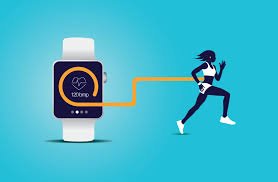
In today’s fast-paced world, smartwatches and wearable devices have become essential tools for anyone serious about health, fitness, and overall well-being. These gadgets provide real-time data on physical activity, heart rate, sleep patterns, calories burned, oxygen saturation, stress levels, and more, empowering users to make informed decisions about their health and fitness goals. Whether you are a professional athlete, fitness enthusiast, or someone simply trying to lead a healthier lifestyle, choosing the right wearable can significantly enhance performance, motivation, and personal health monitoring. With advancements in technology, modern smartwatches and wearables now combine style, convenience, and sophisticated sensors to deliver a comprehensive health and fitness tracking experience.
Wearable technology has evolved far beyond simple step counters. Today’s devices monitor heart rate variability, sleep quality, blood oxygen levels, stress, menstrual cycles, and even detect irregular heart rhythms. Fitness tracking apps integrated with smartwatches allow users to set goals, track workouts, analyze trends, and receive personalized recommendations. By using these devices consistently, individuals can improve endurance, strength, weight management, recovery, and overall well-being. Choosing the best smartwatch or wearable depends on individual needs, lifestyle, and the type of fitness tracking required, as devices vary in features, accuracy, battery life, compatibility, and user experience.
Benefits of Using Smartwatches and Wearables for Fitness
Smartwatches and wearables offer numerous benefits that support health and fitness goals. First, they provide continuous monitoring of heart rate, calories burned, and physical activity levels, helping users understand their energy expenditure and activity patterns. Second, these devices track sleep quality and duration, which is crucial for recovery, hormone regulation, and cognitive function. Third, smartwatches offer GPS tracking for outdoor activities such as running, cycling, and hiking, enabling accurate measurement of distance, pace, and route.
Wearables also enhance motivation and accountability. Real-time feedback and progress tracking encourage users to stay active, set achievable goals, and push themselves to improve performance. Notifications and reminders prompt regular movement, hydration, and rest, creating healthy habits over time. Advanced health monitoring features, including ECG, blood oxygen measurement, and stress detection, provide early warning signs of potential health issues, allowing proactive intervention. The integration of wearable technology with fitness apps, virtual coaching, and personalized insights further enhances the user experience, making it easier to maintain consistent health and fitness routines.
Key Features to Look for in Health and Fitness Wearables
When selecting a smartwatch or wearable for tracking health and fitness, certain features are essential for accurate monitoring and effective goal management. Heart rate monitoring is fundamental, as it informs intensity during workouts, recovery, and cardiovascular health. Devices with optical or electrical sensors provide continuous heart rate tracking, alerting users to abnormal readings and allowing optimized training intensity.
Sleep tracking is another important feature, measuring sleep duration, quality, and stages such as deep, light, and REM sleep. Understanding sleep patterns helps athletes, fitness enthusiasts, and busy individuals improve recovery, energy levels, and cognitive function. GPS tracking allows accurate measurement of distance, speed, and route during outdoor activities like running, cycling, and hiking. Smartwatches with built-in GPS eliminate the need for carrying a smartphone during workouts, enhancing convenience.
Additional features that enhance wearable functionality include blood oxygen (SpO2) monitoring, ECG for heart rhythm analysis, VO2 max estimation, stress tracking, menstrual cycle tracking, and compatibility with fitness apps. Water resistance is crucial for swimmers or those who train in varied weather conditions. Battery life, display quality, comfort, and ease of syncing with smartphones and apps are also important factors to consider when choosing the best wearable for health and fitness.
Top Smartwatches and Wearables for Health and Fitness Tracking
Apple Watch Series
The Apple Watch Series is widely recognized for its comprehensive health and fitness tracking capabilities. It monitors heart rate, blood oxygen, ECG, sleep, calories burned, steps, and activity levels. Apple Watch integrates seamlessly with iOS devices, offering notifications, music control, and third-party fitness apps. Its GPS functionality enables accurate tracking of outdoor workouts, while the smartwatch’s sleek design and water resistance make it suitable for everyday wear. Apple Watch also includes guided workouts, reminders to move, and fall detection, making it ideal for users seeking a combination of fitness monitoring and personal safety.
Fitbit Sense and Versa Series
Fitbit wearables, including Sense and Versa models, focus on health monitoring, activity tracking, and sleep analysis. These devices track heart rate, SpO2, skin temperature, stress levels, and sleep stages. Fitbit’s intuitive app provides insights, personalized coaching, and goal setting. The Sense model also includes an ECG sensor and stress management features. Fitbit’s battery life, user-friendly interface, and compatibility with iOS and Android devices make it a versatile option for fitness enthusiasts who prioritize health tracking alongside activity monitoring.
Garmin Forerunner and Fenix Series
Garmin watches, particularly the Forerunner and Fenix series, are designed for serious athletes and outdoor enthusiasts. They provide advanced GPS tracking, VO2 max estimation, heart rate monitoring, sleep tracking, and performance analytics. Garmin devices offer specialized modes for running, cycling, swimming, and triathlon training, making them ideal for multi-sport athletes. Long battery life, durable construction, and compatibility with Garmin Connect provide detailed insights for performance optimization, recovery, and training adjustments.
Samsung Galaxy Watch Series
Samsung Galaxy Watches combine health monitoring, fitness tracking, and smartwatch functionality. They track heart rate, SpO2, sleep, stress, and activity levels, while offering GPS tracking for outdoor workouts. Samsung watches integrate with Android devices, providing notifications, music, and app compatibility. Their stylish design, intuitive interface, and variety of fitness tracking features make them a popular choice for casual users and fitness enthusiasts alike.
Whoop Strap
Whoop Strap is a specialized wearable designed for athletes focused on performance optimization and recovery. It provides continuous heart rate monitoring, sleep tracking, strain measurement, and recovery analysis. Whoop offers personalized insights and coaching recommendations based on collected data, helping athletes optimize training intensity, recovery periods, and overall performance. Its subscription-based model emphasizes performance tracking rather than smartwatch functionality, making it ideal for dedicated athletes and serious fitness enthusiasts.
Polar Vantage and Ignite Series
Polar watches provide accurate heart rate monitoring, GPS tracking, sleep analysis, and performance metrics for athletes of all levels. Polar Vantage and Ignite series include training load tracking, recovery insights, and VO2 max estimation. Polar devices are suitable for running, cycling, swimming, and strength training, providing actionable data to improve endurance, strength, and overall athletic performance. Polar’s app ecosystem offers detailed analytics, progress tracking, and personalized training plans.
Amazfit and Huawei Smartwatches
Amazfit and Huawei smartwatches provide affordable options for health and fitness tracking. These devices include heart rate monitoring, SpO2 measurement, sleep tracking, activity tracking, and GPS functionality. While not as advanced as premium options, they provide reliable monitoring for general fitness enthusiasts, casual athletes, and users looking for a balance between functionality, style, and price. Battery life and user-friendly apps enhance their appeal as accessible wearables for everyday health tracking.
How Wearables Improve Fitness and Health
Wearables enhance fitness and health by providing real-time data, actionable insights, and motivational feedback. By monitoring heart rate, steps, calories, sleep, and activity levels, users can adjust workouts to match intensity, prevent overtraining, and optimize recovery. Advanced metrics like VO2 max, HRV (heart rate variability), and SpO2 allow athletes to assess cardiovascular fitness, endurance, and oxygen utilization.
Tracking progress over time helps users set realistic goals, measure improvements, and stay motivated. Alerts for abnormal heart rates, low activity, or poor sleep encourage proactive health management. Integration with nutrition tracking, guided workouts, and personalized coaching further supports fitness goals, making wearables an essential tool for anyone serious about health and athletic performance.
Choosing the Right Smartwatch or Wearable
Selecting the best wearable depends on individual needs, fitness goals, and budget. Athletes may prioritize GPS accuracy, advanced performance metrics, and durability, while casual users may focus on sleep tracking, step counting, and notifications. Factors to consider include compatibility with smartphones, app ecosystem, battery life, water resistance, display quality, comfort, and additional health monitoring features. Reading reviews, comparing models, and testing devices can help users choose the right wearable that aligns with their fitness goals and lifestyle.
Future of Wearables in Health and Fitness
The future of wearables in health and fitness includes more advanced sensors, AI-driven insights, and personalized coaching. Emerging technologies aim to monitor blood glucose, hydration, core temperature, and stress biomarkers, providing comprehensive health monitoring in real time. Integration with virtual coaching platforms, fitness communities, and smart home devices will enhance the user experience, making wearables indispensable tools for athletes and fitness enthusiasts.
Wearables will continue to evolve as essential companions for training, recovery, and long-term health optimization. Personalized recommendations, predictive analytics, and real-time feedback will allow users to push performance boundaries safely and sustainably. The combination of technology, health data, and fitness tracking promises a future where achieving health and athletic goals is more efficient, precise, and enjoyable.
Conclusion
Smartwatches and wearables are transforming the way individuals monitor health, track fitness, and optimize athletic performance. Devices like Apple Watch, Fitbit, Garmin, Samsung Galaxy Watch, Whoop Strap, Polar, Amazfit, and Huawei offer a wide range of features, including heart rate monitoring, sleep tracking, GPS, VO2 max estimation, SpO2 measurement, and stress tracking. By providing real-time data, actionable insights, and motivational feedback, these wearables empower users to improve endurance, strength, recovery, and overall well-being.
Choosing the right device depends on personal goals, activity levels, budget, and desired features. Integrating wearable technology with training routines, nutrition plans, and recovery strategies ensures that athletes and fitness enthusiasts achieve consistent performance improvements, better health management, and long-term fitness success. With the continuous advancement of sensors, analytics, and AI-driven insights, smartwatches and wearables will remain essential tools for anyone committed to tracking health and optimizing athletic performance.