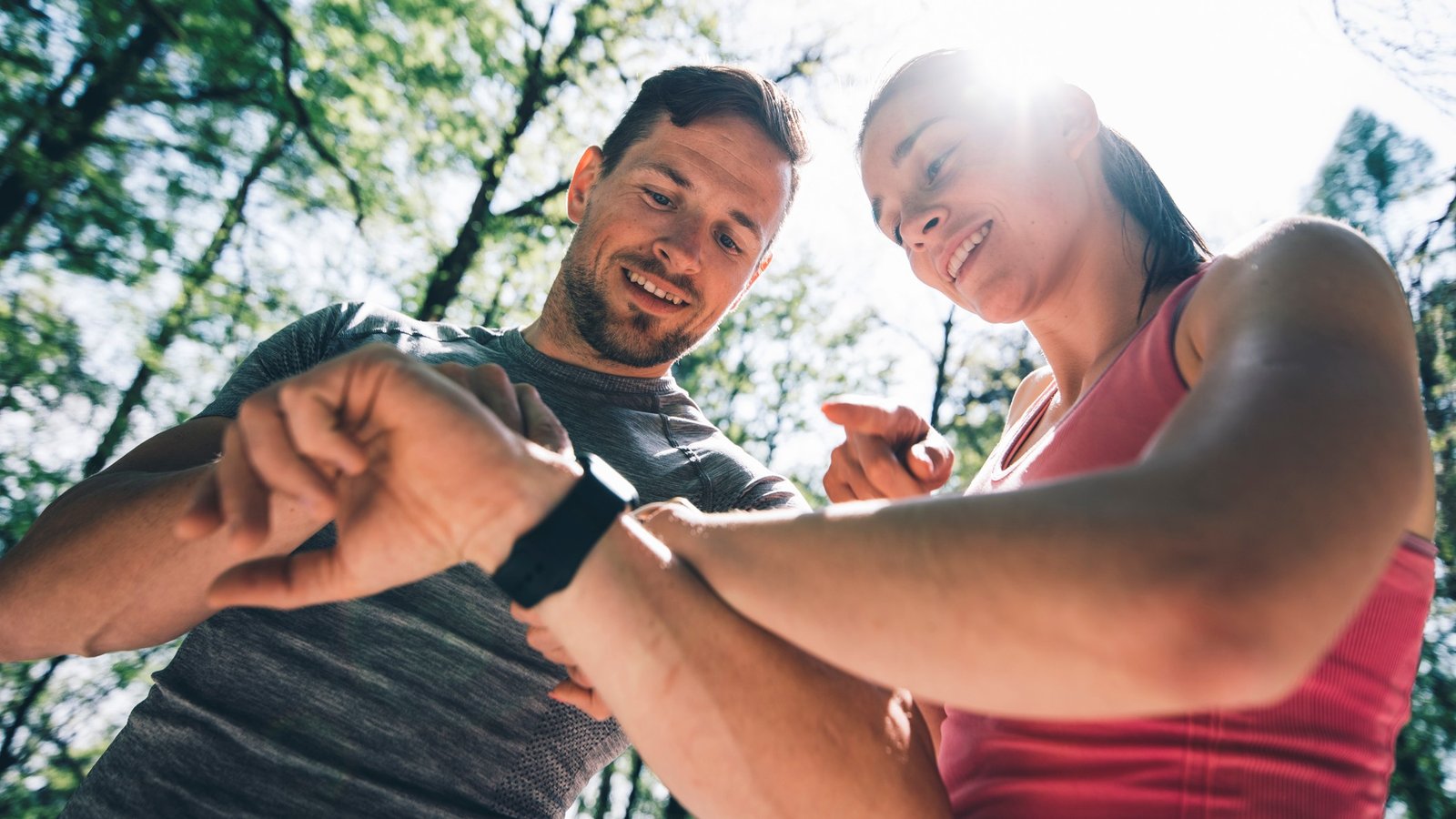
In today’s fast-paced world, technology has transformed how athletes and fitness enthusiasts monitor their performance, track progress, and optimize training. Fitness tracking devices are now essential tools for individuals who want to achieve peak performance, improve endurance, prevent injuries, and maintain a healthy lifestyle. These devices offer real-time data on heart rate, calories burned, steps taken, sleep patterns, distance traveled, and other vital metrics. For athletes, advanced tracking technology allows precise monitoring of training intensity, recovery, and overall fitness. This complete guide explores the top fitness tracking devices, their features, benefits, and how to choose the right tracker to elevate performance and support long-term health goals.
Why Fitness Tracking Devices Are Important for Athletes
Fitness tracking devices are not just convenient gadgets; they play a crucial role in performance optimization. Athletes rely on accurate data to make informed decisions about training intensity, rest, and recovery. These devices track metrics like heart rate variability, VO2 max, lactate threshold, and calorie expenditure, which help athletes fine-tune workouts for maximum efficiency. Fitness trackers also provide insights into sleep quality, hydration levels, and activity patterns, enabling a holistic approach to health and performance. Monitoring progress over time motivates athletes, supports goal-setting, and helps prevent overtraining or injury by identifying early signs of fatigue or stress.
Key Features to Look for in Fitness Tracking Devices
Choosing the right fitness tracking device requires understanding the essential features that align with personal goals and activity types. Some critical features include heart rate monitoring, GPS tracking for distance and speed, step counting, sleep tracking, calorie tracking, VO2 max estimation, water resistance, smart notifications, and compatibility with mobile apps or other devices. For advanced athletes, features such as cadence tracking, power output measurement, respiratory monitoring, and recovery insights are particularly valuable. Durability, battery life, comfort, and ease of use are also important considerations for daily wear and long-term usage.
Top Fitness Tracking Devices for Athletes
- Garmin Forerunner Series: Known for its accurate GPS tracking, heart rate monitoring, and VO2 max estimation, the Garmin Forerunner series is ideal for runners, triathletes, and endurance athletes. Advanced features include training load analysis, recovery time suggestions, sleep tracking, and compatibility with Garmin Connect for detailed data analysis. Athletes benefit from personalized training plans, pace guidance, and real-time performance metrics.
- Apple Watch Series: The Apple Watch offers a comprehensive range of fitness tracking features, including heart rate monitoring, GPS, step counting, sleep tracking, and activity rings that visualize daily progress. Advanced health features such as ECG, blood oxygen monitoring, and fall detection provide added safety and wellness insights. The Apple Watch integrates seamlessly with iOS apps, offering personalized workout recommendations and performance trends for athletes and fitness enthusiasts alike.
- Fitbit Charge and Sense Series: Fitbit devices focus on activity tracking, heart rate monitoring, sleep analysis, and stress management. The Charge and Sense models provide detailed metrics on daily steps, calories burned, and active minutes, while advanced sensors track SpO2 levels and skin temperature for wellness insights. Fitbit’s companion app offers goal-setting, community challenges, and detailed trend analysis, making it a popular choice for both beginners and seasoned athletes.
- Polar Vantage Series: Polar watches are designed with athletes in mind, providing precise heart rate monitoring, training load measurement, recovery tracking, and performance insights. The Vantage series includes features such as running power, GPS tracking, and sleep quality assessment. Polar Flow app integration enables in-depth analysis of workouts, enabling athletes to adjust training programs for maximum efficiency and reduced risk of overtraining.
- WHOOP Strap: WHOOP is a wearable fitness tracker that focuses on recovery, strain, and sleep. Unlike traditional devices, WHOOP provides athletes with continuous data on heart rate variability, sleep quality, respiratory rate, and overall recovery. The subscription-based model offers personalized insights, helping athletes optimize training intensity, avoid overtraining, and improve performance over time. WHOOP is particularly valuable for endurance athletes and high-performance training.
- Samsung Galaxy Watch Series: Samsung Galaxy Watches provide GPS tracking, heart rate monitoring, sleep tracking, stress management, and activity tracking. The devices are compatible with Android and offer advanced fitness metrics, workout recommendations, and smart notifications. Samsung watches are versatile, combining everyday usability with advanced fitness tracking features suitable for athletes and casual fitness enthusiasts.
- Suunto 9 and Suunto Spartan Series: Suunto watches are designed for outdoor athletes and endurance enthusiasts, offering accurate GPS navigation, heart rate monitoring, multisport tracking, and long battery life. These devices provide detailed performance metrics, route tracking, and recovery insights, making them ideal for runners, cyclists, swimmers, and adventure athletes. Suunto’s companion app allows athletes to analyze workouts, track trends, and plan training schedules.
- Coros Apex and Vertix Series: Coros devices are known for their durability, long battery life, and precise GPS tracking. The Apex and Vertix models offer heart rate monitoring, VO2 max estimation, sleep tracking, and multisport functionality. These devices are particularly suited for outdoor endurance athletes who require robust performance tracking and reliable metrics in challenging environments.
- Xiaomi Mi Band Series: For beginners and casual fitness enthusiasts, Xiaomi Mi Bands provide basic fitness tracking features such as step counting, heart rate monitoring, sleep tracking, and calorie estimation at an affordable price. While not as advanced as high-end models, Mi Bands offer essential metrics for monitoring daily activity, setting goals, and maintaining a healthy lifestyle.
- Garmin Fenix Series: Garmin Fenix watches combine rugged design with advanced fitness tracking features, including heart rate monitoring, GPS, VO2 max, recovery advisor, and multisport tracking. Fenix devices support detailed analytics, outdoor navigation, and performance optimization, making them suitable for serious athletes and outdoor enthusiasts who require precise and reliable data.
Benefits of Using Fitness Tracking Devices
Fitness tracking devices offer multiple benefits for athletes and fitness enthusiasts. They provide real-time feedback on performance, help identify strengths and weaknesses, support goal-setting, and enhance motivation. Trackers monitor sleep, recovery, and activity levels, reducing the risk of overtraining and injury. Advanced metrics like VO2 max, heart rate variability, and lactate threshold allow athletes to optimize training intensity and improve aerobic capacity. Fitness trackers also promote accountability, habit formation, and lifestyle improvements, supporting long-term health and performance goals.
How to Choose the Right Fitness Tracking Device
Choosing the right fitness tracking device depends on individual goals, activity type, budget, and desired features. Athletes focused on running, cycling, or swimming should prioritize devices with accurate GPS, heart rate monitoring, and sport-specific metrics. Endurance athletes benefit from trackers with VO2 max estimation, recovery insights, and long battery life. Beginners and casual users may prioritize step counting, activity tracking, sleep monitoring, and affordability. Comfort, ease of use, app compatibility, and durability are also critical factors. Reading reviews, testing devices, and comparing features helps users select the most suitable tracker for their needs.
Maximizing the Effectiveness of Fitness Trackers
To get the most out of fitness tracking devices, athletes should integrate data analysis into their training routine. Regularly reviewing performance metrics helps identify trends, track improvements, and adjust training intensity. Setting realistic goals based on objective data ensures sustainable progress and avoids overtraining. Combining fitness tracking with nutrition monitoring, recovery strategies, and cross-training enhances overall performance. Athletes should also calibrate devices, ensure proper wear, and sync data with companion apps for accurate and actionable insights.
Integrating Fitness Trackers With Training Plans
Fitness tracking devices are most effective when integrated with structured training plans. Coaches and athletes can use tracker data to personalize workouts, monitor recovery, and optimize performance. For example, heart rate data informs intensity zones, VO2 max guides aerobic training, and sleep metrics help plan rest days. Multisport athletes benefit from trackers that measure sport-specific metrics, providing comprehensive insights for swimming, cycling, running, or strength training. Integration with apps and cloud platforms enables detailed analysis, trend tracking, and progress reporting, ensuring a data-driven approach to fitness.
Common Mistakes When Using Fitness Tracking Devices
Despite their benefits, athletes often make mistakes when using fitness trackers. Over-reliance on devices without proper interpretation can lead to misinformed training decisions. Ignoring contextual factors such as fatigue, hydration, or environmental conditions may result in inaccurate conclusions. Inconsistent wear, improper calibration, or neglecting recovery metrics can reduce the effectiveness of tracking. Athletes should combine tracker data with subjective feedback, professional guidance, and holistic training strategies for optimal results.
Future Trends in Fitness Tracking Technology
Fitness tracking technology continues to evolve with innovations in sensors, artificial intelligence, and wearable integration. Future devices may include advanced respiratory monitoring, lactate sensors, hydration tracking, continuous glucose monitoring, and real-time biomechanics analysis. Artificial intelligence and machine learning will provide personalized workout recommendations, predictive injury alerts, and performance optimization. Integration with smart clothing, VR training, and connected fitness platforms will create immersive and data-driven training experiences. Athletes can expect increasingly sophisticated trackers to enhance performance, safety, and overall wellness.
Final Thoughts on Fitness Tracking Devices for Athletes and Fitness Enthusiasts
Fitness tracking devices have revolutionized the way athletes and fitness enthusiasts monitor performance, optimize training, and maintain a healthy lifestyle. From basic step counters to advanced GPS-enabled smartwatches with VO2 max estimation, heart rate monitoring, and recovery insights, trackers provide valuable data for improving endurance, strength, and overall performance. By choosing the right device, integrating it into structured training plans, analyzing metrics, and combining data with nutrition and recovery strategies, athletes can maximize performance and prevent injuries. Whether for beginners or elite competitors, fitness tracking devices offer a powerful tool to achieve long-term fitness goals, maintain motivation, and enjoy a healthier, more active lifestyle.