
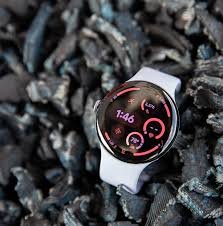
Fitness tracking devices have revolutionized the way runners and athletes train, monitor performance, and achieve their goals. In the past, athletes relied on stopwatches, handwritten training logs, and subjective feedback from their bodies to evaluate progress. Today, wearable technology provides precise, real-time data that allows users to measure nearly every aspect of their physical activity. From heart rate and pace to advanced metrics like VO2 max and recovery time, fitness tracking devices deliver insights that were once available only in professional sports laboratories.
For runners and competitive athletes, this level of information is invaluable. Training is no longer based solely on effort; it is guided by data. Whether preparing for a marathon, improving sprint speed, or enhancing endurance, athletes can analyze performance trends over weeks and months. These devices also help prevent overtraining by monitoring stress levels and recovery patterns. As wearable technology continues to advance, fitness tracking devices are becoming smarter, more accurate, and more personalized than ever before.
Why Runners Depend on Fitness Tracking Devices
Running is one of the most measurable sports, making it perfectly suited for wearable tracking technology. Distance, pace, cadence, elevation, and heart rate are critical metrics that determine performance improvements. With GPS-enabled fitness tracking devices, runners can accurately record every mile and split. This ensures that training sessions are consistent and aligned with specific goals, such as improving speed, increasing stamina, or maintaining a steady marathon pace.
Heart rate monitoring plays a particularly important role. By training within specific heart rate zones, runners can build aerobic capacity without pushing their bodies into exhaustion. Many modern devices also measure heart rate variability, which provides insight into how well the body is recovering from previous workouts. This helps runners balance intensity and rest, reducing the likelihood of injury.
In addition to performance metrics, fitness tracking devices offer motivational benefits. Seeing measurable progress encourages consistency and discipline. When runners track their improvements in pace, endurance, and recovery over time, they gain confidence and a clearer understanding of their abilities.
Essential Features for Athletes and Endurance Trainers
When choosing the best fitness tracking device for running and athletic training, certain features are especially important. Accurate GPS tracking ensures that distance and route data are precise, even in challenging environments like cities with tall buildings or wooded trails. Multi-band GPS systems enhance reliability and reduce signal interference.
Continuous heart rate monitoring allows athletes to train in optimal zones and track cardiovascular health. Advanced devices provide additional metrics such as lactate threshold estimation, running power, and ground contact time. These features help athletes fine-tune their technique and efficiency.
Battery life is another crucial consideration. Marathon runners, ultra-endurance athletes, and triathletes require devices that can last through extended events without needing a recharge. Many premium sports watches now offer multiple battery modes that balance accuracy and longevity.
Durability and water resistance are equally significant. Athletes often train in unpredictable weather conditions, and devices must withstand sweat, rain, and impact. For triathletes, water resistance is essential for swimming sessions.
Garmin Forerunner 965 for Competitive Runners
The Garmin Forerunner 965 is widely regarded as one of the top choices for dedicated runners. Designed specifically for performance training, this watch provides multi-band GPS accuracy, advanced running dynamics, and training readiness insights. Athletes can monitor cadence, stride length, vertical oscillation, and even stamina levels during workouts.
The AMOLED display offers bright, clear visuals in various lighting conditions, and the extended battery life supports long-distance training sessions. Marathon runners appreciate its detailed analytics, which help refine pacing strategies and recovery schedules. With built-in coaching features and customizable training plans, this device becomes more than a tracker—it becomes a personal training assistant.
Garmin Fenix 7 for Outdoor and Multi-Sport Athletes
For athletes who train across multiple disciplines, the Garmin Fenix 7 delivers exceptional versatility. Built with rugged materials, it is designed to withstand challenging environments such as mountain trails, extreme temperatures, and long outdoor expeditions. Trail runners benefit from advanced mapping and altitude tracking features, while endurance athletes appreciate real-time stamina monitoring.
The Fenix 7 supports seamless transitions between activities, making it ideal for triathletes. Its long battery performance ensures reliability during ultra-marathons and multi-day training events. This watch is particularly well-suited for athletes who demand durability and comprehensive multi-sport tracking.
Apple Watch Series 9 for Balanced Fitness and Smart Features
The Apple Watch Series 9 offers a combination of fitness tracking and everyday smart functionality. It includes reliable heart rate monitoring, ECG capabilities, blood oxygen measurement, and integration with a broad ecosystem of health and fitness apps. Casual runners and fitness enthusiasts benefit from its simplicity and convenience.
While it may not provide the same level of in-depth running analytics as dedicated sports watches, it remains a powerful tool for tracking daily activity, workouts, and general health metrics. Its seamless connectivity with smartphones makes it a popular choice among users who value both athletic and lifestyle features.
COROS Pace 3 for Lightweight Performance and Value
The COROS Pace 3 stands out for its lightweight design and impressive battery life. Many runners prefer minimal wrist weight during long-distance training, and this device offers comfort without sacrificing performance. It provides accurate GPS tracking, running power metrics, and structured workout support.
Despite being more affordable than some premium competitors, it delivers high-quality performance insights. Athletes seeking a balance between cost and advanced functionality often find this watch to be an excellent investment.
Polar Vantage V3 for Recovery and Physiological Insights
The Polar Vantage V3 focuses heavily on physiological data and recovery analysis. It provides detailed heart rate monitoring, sleep tracking, and recovery assessments that help athletes understand when their bodies are ready for intense training. Recovery is often overlooked, but it plays a critical role in long-term athletic development.
By analyzing sleep quality and heart rate variability, athletes can avoid overtraining and maintain consistent improvement. This device is especially beneficial for competitive runners who follow structured training programs and need precise feedback.
The Role of Recovery in Athletic Success
Training intensity alone does not determine success; recovery is equally important. Fitness tracking devices now emphasize recovery metrics as much as workout data. By measuring sleep stages, stress levels, and heart rate variability, these devices provide a comprehensive view of an athlete’s readiness.
Proper recovery reduces the risk of injury, improves muscle repair, and enhances performance consistency. Athletes who ignore recovery often experience burnout or setbacks. Wearable technology helps prevent this by recommending rest periods and adjusting training load suggestions based on individual data.
How Fitness Tracking Devices Improve Motivation and Discipline
Consistency is one of the biggest challenges in running and athletic training. Fitness tracking devices encourage discipline by setting measurable goals and tracking achievements. When athletes see progress in distance covered, pace improvements, or calories burned, they feel motivated to continue.
Many devices include social features that allow users to share achievements or compete with friends. This sense of community further increases accountability. Over time, tracking data becomes a personal performance history, providing valuable insight into growth and milestones.
Choosing the Right Device for Your Training Goals
Selecting the best fitness tracking device depends on your level of experience and specific objectives. Beginner runners may prioritize ease of use and basic GPS tracking. Intermediate athletes might seek heart rate zone analysis and structured training plans. Competitive runners and endurance athletes typically require advanced metrics, long battery life, and durable designs.
Budget also plays a role in decision-making. While premium models offer extensive features, mid-range devices can still provide accurate tracking and valuable insights. Evaluating personal training needs ensures that the chosen device aligns with long-term goals.
The Future of Fitness Tracking Technology
As technology continues to evolve, fitness tracking devices are becoming more sophisticated. Artificial intelligence is being integrated to provide personalized coaching recommendations based on historical data. Improved sensor accuracy allows for better heart rate and oxygen level monitoring. Future devices may even include hydration tracking and muscle fatigue detection.
For runners and athletes, these innovations promise even more precise performance optimization. The integration of wearable technology with fitness apps and cloud-based analytics ensures that training data is easily accessible and continuously improving.
Conclusion
Fitness tracking devices have become essential tools for runners and athletes seeking measurable progress and improved performance. By combining accurate GPS tracking, heart rate monitoring, advanced metrics, and recovery analysis, these devices empower users to train smarter and safer. Whether choosing the Garmin Forerunner 965 for competitive racing, the Garmin Fenix 7 for rugged endurance training, the Apple Watch Series 9 for balanced functionality, the COROS Pace 3 for lightweight performance, or the Polar Vantage V3 for recovery-focused insights, athletes can find a device tailored to their needs.