
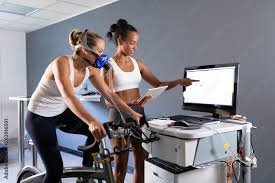
Embarking on a fitness journey can be exciting, but it is important for beginners to understand that fitness is not just about exercising and eating healthy. Assessing your current health and fitness level is a crucial first step to ensure that your workouts, nutrition, and lifestyle choices are safe, effective, and tailored to your personal goals. Fitness and health assessments provide a clear picture of your body’s strengths, weaknesses, and areas that need improvement. They help track progress, set realistic goals, prevent injuries, and create customized fitness plans. This complete guide to fitness and health assessments for beginners explains the different types of assessments, how to conduct them, what the results mean, and how to use them to build a sustainable and effective fitness routine.
Understanding Fitness and Health Assessments
Fitness and health assessments are structured evaluations that measure different aspects of physical health, strength, endurance, flexibility, and overall well-being. These assessments provide objective data that helps beginners understand their baseline fitness levels. By measuring parameters such as body composition, cardiovascular endurance, muscular strength, flexibility, and metabolic health, individuals can set achievable goals and monitor improvements over time. Health assessments also identify risk factors for chronic diseases, allowing for early intervention and better management of health conditions. Conducting assessments regularly ensures that fitness routines remain aligned with personal progress and goals.
Why Fitness Assessments Are Important for Beginners
Fitness assessments are particularly important for beginners because they provide a clear starting point. Without knowing your baseline fitness level, it is easy to overtrain, undertrain, or choose exercises that are ineffective or unsafe. Assessments help identify strengths and weaknesses, track progress objectively, and increase motivation by showing measurable improvements. For example, knowing your body fat percentage, cardiovascular endurance, and muscular strength helps determine the intensity and type of workouts suitable for your goals. Health assessments also inform dietary choices, lifestyle changes, and recovery strategies, ensuring a comprehensive approach to overall fitness and wellness.
Components of a Complete Fitness Assessment
A complete fitness assessment evaluates multiple components of physical health. These components include:
- Body Composition: Measures fat mass, lean muscle mass, and body water content. Methods include skinfold calipers, bioelectrical impedance analysis, and DEXA scans. Understanding body composition helps track fat loss, muscle gain, and overall health improvements.
- Cardiovascular Endurance: Assesses the efficiency of the heart, lungs, and circulatory system during physical activity. Tests such as the 1.5-mile run, VO2 max testing, or step tests indicate cardiovascular fitness and stamina. Improving endurance reduces the risk of heart disease and enhances overall energy levels.
- Muscular Strength and Endurance: Measures the ability of muscles to generate force and sustain activity. Strength tests include push-ups, pull-ups, and weightlifting exercises, while endurance tests evaluate how long muscles can perform repetitive movements. Strong muscles support daily activities, improve posture, and reduce injury risk.
- Flexibility and Mobility: Assesses the range of motion of joints and muscles. Common tests include the sit-and-reach test, shoulder flexibility test, and joint mobility assessments. Flexibility improves performance, reduces injury risk, and enhances overall body movement.
- Posture and Functional Movement: Evaluates alignment, balance, and coordination during movement. Functional movement screenings identify weaknesses or imbalances that may lead to injuries. Correcting posture and movement patterns enhances athletic performance and everyday activities.
- Metabolic and Health Markers: Includes blood pressure, resting heart rate, cholesterol levels, blood glucose, and other lab tests. These markers provide insight into overall health, risk of chronic diseases, and cardiovascular fitness. Monitoring these parameters helps guide nutrition and lifestyle choices.
How to Conduct a Beginner Fitness Assessment
Beginners can perform basic fitness assessments at home or with professional guidance. A simple assessment includes the following steps:
- Record Personal Data: Document age, weight, height, medical history, and current activity level. This information helps in setting realistic fitness goals.
- Measure Body Composition: Use a scale, tape measure, or calipers to determine weight, body fat percentage, and waist-to-hip ratio. These metrics provide a baseline for tracking fat loss or muscle gain.
- Assess Cardiovascular Endurance: Perform a timed walk or run, a step test, or a cycling session to evaluate heart and lung efficiency. Beginners should start at a comfortable pace and gradually increase intensity over time.
- Test Muscular Strength: Conduct push-ups, squats, planks, or simple weightlifting exercises to measure muscle strength. Record the number of repetitions or the amount of weight lifted.
- Evaluate Flexibility: Use sit-and-reach tests or shoulder flexibility tests to determine joint range of motion. Note any tightness or discomfort to address through stretching and mobility exercises.
- Check Functional Movement: Perform basic movements like lunges, squats, or balance exercises to identify weaknesses, imbalances, or limitations. Proper form and technique are essential to prevent injuries.
- Track Health Markers: Measure resting heart rate, blood pressure, and other vital signs. Consult a healthcare professional for lab tests to ensure safety and identify areas needing improvement.
Interpreting Fitness Assessment Results
After conducting assessments, it is important to understand what the results mean. Fitness assessments provide objective data that can guide training and lifestyle choices. For example, a higher body fat percentage may indicate a need for more cardiovascular exercise and dietary adjustments, while low muscular strength suggests incorporating resistance training. Poor flexibility or mobility indicates the need for stretching, yoga, or mobility work. Tracking these metrics over time helps beginners evaluate progress, adjust workout intensity, and stay motivated. It also helps identify potential health risks, allowing for early intervention.
Setting Goals Based on Assessment Results
Once baseline fitness and health levels are established, beginners should set SMART goals: Specific, Measurable, Achievable, Relevant, and Time-bound. Goals may include improving cardiovascular endurance, increasing muscle strength, reducing body fat, enhancing flexibility, or improving posture. Fitness goals should be realistic and gradually progressive, allowing the body to adapt safely. Regular reassessment every 4–8 weeks helps track progress and adjust workouts or dietary plans accordingly.
Designing a Beginner-Friendly Fitness Program
A beginner fitness program should be based on assessment results, goals, and personal preferences. It should include a balance of cardiovascular exercise, resistance training, flexibility work, and functional movements. Cardiovascular exercises like walking, jogging, or cycling improve heart health and stamina. Resistance training with bodyweight exercises, free weights, or machines builds muscle and enhances metabolism. Flexibility and mobility exercises prevent injuries and improve posture. Incorporating rest days and proper recovery ensures the body adapts safely and effectively.
Nutrition and Lifestyle Considerations
Fitness assessments also inform dietary and lifestyle choices. Protein supports muscle repair, carbohydrates provide energy, and healthy fats promote hormone balance and joint health. Vitamins, minerals, and antioxidants from fruits and vegetables enhance recovery and overall wellness. Hydration is essential for energy, performance, and metabolic function. Sleep and stress management also play critical roles in achieving fitness goals. A comprehensive approach combining exercise, nutrition, and lifestyle adjustments maximizes the benefits of fitness assessments.
Monitoring Progress Over Time
Tracking progress is a key component of fitness success. Regularly repeating fitness assessments allows beginners to evaluate improvements in strength, endurance, flexibility, body composition, and overall health. Monitoring progress boosts motivation, helps identify areas needing more focus, and provides a sense of achievement. Keeping a fitness journal or using apps to record workouts, nutrition, and assessment results creates accountability and helps maintain consistency.
Common Mistakes Beginners Make in Fitness Assessments
Many beginners make mistakes that can reduce the effectiveness of assessments. These include relying solely on weight as a measure of fitness, performing exercises with poor form, neglecting rest and recovery, and ignoring nutrition. Fitness assessments are most effective when combined with proper training, consistent tracking, and professional guidance if needed. Understanding the purpose of assessments and interpreting results accurately ensures safe and effective progress.
Professional Support for Fitness and Health Assessments
While basic assessments can be done at home, consulting fitness professionals or healthcare providers adds value and safety. Personal trainers, physiotherapists, and nutritionists can conduct comprehensive assessments, design personalized programs, and monitor progress. Professional guidance ensures correct testing techniques, accurate interpretation of results, and tailored interventions for injury prevention and optimal performance.
Benefits of Regular Fitness Assessments
Regular fitness assessments provide numerous benefits for beginners. They track progress objectively, highlight areas for improvement, guide training and nutrition, prevent injuries, boost motivation, and enhance overall health. Assessments create a structured approach to fitness, ensuring that beginners make informed decisions rather than relying on guesswork. Consistent evaluation fosters a deeper understanding of the body, promotes long-term adherence, and supports sustainable lifestyle changes.
Incorporating Fitness Assessments Into Your Routine
Beginners should integrate fitness assessments into their routine at regular intervals. Conducting initial assessments establishes a baseline, while periodic reassessments every 6–12 weeks help monitor progress and adjust goals. Short-term assessments, such as weekly tracking of weight, workouts, or dietary habits, complement comprehensive assessments. Combining long-term and short-term monitoring ensures continuous improvement and accountability.
Final Thoughts on Fitness and Health Assessments for Beginners
Fitness and health assessments are essential tools for beginners seeking to achieve their goals safely and effectively. They provide valuable insights into body composition, cardiovascular fitness, muscular strength, flexibility, functional movement, and overall health. Assessments guide personalized training, nutrition, and lifestyle strategies, enabling beginners to make informed decisions and track measurable progress. By incorporating regular assessments, setting realistic goals, and following a structured program, beginners can enhance performance, prevent injuries, build confidence, and enjoy a healthier, more active lifestyle. Fitness is a journey, and health assessments are the roadmap that ensures every step is safe, effective, and aligned with long-term wellness.