
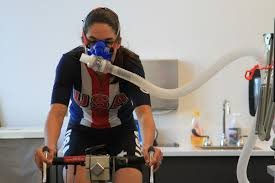
Athletic performance is not solely determined by training intensity, nutrition, or skill. One of the most critical and often overlooked factors is hormonal balance. Hormones play a central role in regulating metabolism, energy production, muscle growth, fat loss, recovery, sleep, and overall health. Monitoring hormones can provide athletes and fitness enthusiasts with invaluable insights into how their bodies respond to training, stress, and lifestyle factors. By understanding hormonal patterns and their impact on performance, athletes can optimize training, improve recovery, prevent overtraining, and enhance long-term results.
Hormones act as chemical messengers, signaling the body to adapt to physical activity, regulate energy storage, and repair damaged tissues. Key hormones such as testosterone, cortisol, growth hormone, insulin, thyroid hormones, and melatonin influence muscle development, fat metabolism, recovery, and sleep quality. Disruptions in hormonal balance can lead to fatigue, poor performance, slowed recovery, increased injury risk, and even long-term health issues. Monitoring hormones enables athletes to make informed adjustments to training loads, recovery strategies, and nutrition plans, ensuring that their bodies operate at peak efficiency.
The Role of Hormones in Training and Recovery
Hormones have a profound impact on both training performance and recovery processes. Testosterone, often considered the primary anabolic hormone, stimulates muscle protein synthesis, increases strength, and supports endurance. Maintaining optimal testosterone levels enhances training capacity and promotes faster recovery between workouts. Growth hormone plays a complementary role, promoting tissue repair, increasing lean muscle mass, and improving fat metabolism. Cortisol, the body’s main stress hormone, influences energy availability, inflammation, and recovery. While cortisol is necessary for acute stress response and energy mobilization, chronically elevated levels can hinder recovery, impair immune function, and reduce muscle-building capacity.
Insulin regulates blood sugar levels and nutrient storage, ensuring that muscles receive glucose for energy and protein for repair. Thyroid hormones control metabolic rate, energy production, and body composition. Melatonin governs sleep cycles, which are essential for recovery, hormonal regulation, and cognitive function. By tracking these hormones, athletes can gain insight into how their body adapts to training, stress, and lifestyle factors, allowing them to optimize their performance and recovery strategies.
Key Hormones to Monitor for Athletic Performance
Several hormones are particularly important for athletes due to their role in energy, recovery, and performance. Testosterone supports muscle growth, strength, and recovery. Growth hormone promotes tissue repair, lean mass development, and fat metabolism. Cortisol helps manage stress and energy availability but must be kept in balance to prevent negative effects on recovery. Insulin ensures proper nutrient uptake and energy supply for muscles. Thyroid hormones regulate metabolism and energy production, while melatonin supports restorative sleep. Monitoring these hormones can reveal patterns that influence performance, recovery, and overall health, helping athletes make informed adjustments to training and lifestyle.
How Hormonal Monitoring Improves Recovery
Recovery is a critical component of any training program, allowing muscles to repair, adapt, and grow stronger. Hormonal monitoring provides insight into recovery status by identifying imbalances or disruptions that may impede progress. Elevated cortisol levels can indicate overtraining or insufficient rest, signaling the need for reduced intensity or increased recovery time. Low testosterone or growth hormone levels may suggest inadequate recovery, insufficient nutrition, or excessive training stress. Tracking these hormones allows athletes to modify workouts, incorporate active recovery strategies, and prioritize sleep and nutrition to maximize recovery potential.
Sleep is closely linked to hormonal health and recovery. Melatonin regulates the sleep-wake cycle, ensuring that restorative sleep occurs at optimal times. Poor sleep reduces growth hormone secretion, elevates cortisol, and impairs muscle repair. By monitoring melatonin and other related hormones, athletes can adjust bedtime routines, light exposure, and recovery protocols to improve sleep quality and enhance recovery.
Hormonal Impact on Training Adaptations
Hormones not only support recovery but also influence training adaptations. Testosterone and growth hormone drive anabolic processes that increase muscle mass, strength, and power output. Balanced cortisol levels enable proper energy mobilization during exercise while preventing excessive tissue breakdown. Insulin ensures that muscles receive adequate glucose and amino acids for energy and repair. Thyroid hormones regulate metabolic rate, allowing athletes to sustain high training volumes without excessive fatigue. By monitoring these hormones, athletes can identify periods of hormonal deficiency or imbalance that may limit performance improvements and adapt their training programs accordingly.
Monitoring hormonal patterns can also help detect early signs of overtraining. Persistent fatigue, decreased strength, elevated cortisol, and low testosterone are indicators of excessive stress on the body. By recognizing these signs, athletes can adjust training intensity, incorporate additional recovery days, and implement nutritional strategies to restore hormonal balance and prevent performance decline.
Methods for Monitoring Hormones
Hormonal monitoring can be conducted through several methods, each with advantages and considerations. Blood tests are the most accurate, measuring serum levels of testosterone, cortisol, growth hormone, insulin, and thyroid hormones. Saliva tests provide a non-invasive alternative, particularly for tracking cortisol and testosterone fluctuations throughout the day. Urine tests can assess hormone metabolites and circadian patterns. Wearable devices and continuous monitoring technologies are emerging tools that provide real-time insights into cortisol levels, sleep patterns, and recovery status. Combining these methods with performance metrics, subjective fatigue scores, and nutrition tracking allows for a comprehensive understanding of hormonal influence on training and recovery.
Nutrition and Hormonal Balance
Nutrition plays a significant role in maintaining hormonal balance and optimizing recovery. Adequate protein intake supports muscle repair and stimulates anabolic hormones such as testosterone and growth hormone. Healthy fats, particularly omega-3 fatty acids, influence testosterone production and reduce inflammation. Complex carbohydrates provide energy for training while regulating insulin and cortisol levels. Micronutrients such as zinc, magnesium, vitamin D, and B vitamins are essential for hormonal synthesis and function. Hydration is also critical, as dehydration can elevate cortisol and impair metabolic processes. By aligning nutrition strategies with hormonal monitoring, athletes can maximize performance, enhance recovery, and prevent hormonal disruptions that may hinder progress.
Training Strategies Based on Hormonal Insights
Hormonal monitoring allows athletes to tailor training strategies for optimal adaptation. High-intensity training sessions may be scheduled during periods of peak testosterone or low cortisol to maximize anabolic effects. Recovery-focused sessions, mobility work, and active rest days can be prioritized when cortisol levels are elevated or growth hormone is low. Periodization of training, incorporating cycles of intensity and recovery, can be guided by hormonal data to prevent overtraining, promote muscular adaptation, and sustain long-term performance improvements. Understanding hormonal patterns also informs strategies for tapering before competitions, ensuring that athletes are physically and hormonally prepared for peak performance.
Lifestyle Factors Influencing Hormones
Lifestyle factors such as sleep, stress management, and daily activity significantly impact hormonal balance. Chronic stress elevates cortisol, disrupts testosterone and growth hormone levels, and impairs recovery. Inadequate sleep reduces melatonin production, limits growth hormone release, and hinders performance. Excessive alcohol consumption, poor diet, and irregular training schedules can further disrupt hormonal balance. By monitoring hormone levels and correlating them with lifestyle factors, athletes can implement changes such as improved sleep hygiene, stress reduction techniques, balanced nutrition, and structured training to optimize hormone function and support recovery.
Benefits of Hormonal Monitoring for Long-Term Health
Beyond immediate performance and recovery, hormonal monitoring has long-term health benefits for athletes. Maintaining balanced hormone levels reduces the risk of chronic fatigue, immune dysfunction, metabolic disorders, and injury. Monitoring hormones can also identify underlying health conditions such as thyroid dysfunction, low testosterone, or adrenal fatigue, allowing for early intervention and management. By combining hormonal monitoring with nutrition, training, and lifestyle strategies, athletes can achieve sustainable performance improvements while safeguarding their long-term health and well-being.
Integrating Hormonal Monitoring Into Training Programs
To fully leverage the benefits of hormonal monitoring, athletes and coaches should integrate hormone tracking into regular training assessments. Periodic blood or saliva tests, combined with performance metrics, subjective fatigue evaluations, and recovery markers, provide a holistic view of an athlete’s physiological state. Data-driven adjustments to training intensity, volume, nutrition, and recovery strategies can be made based on hormonal patterns, enhancing performance outcomes and reducing the risk of overtraining or burnout. Personalized plans informed by hormonal insights allow athletes to train smarter, recover faster, and achieve consistent, long-term progress.
Common Mistakes in Hormonal Monitoring
Despite its benefits, hormonal monitoring can be misused or misunderstood. Testing without considering daily fluctuations, circadian rhythms, or context may lead to misleading conclusions. Over-reliance on a single hormone measurement without correlating performance data or lifestyle factors can result in inappropriate training adjustments. Ignoring recovery, sleep, or nutrition while focusing solely on hormone levels limits the effectiveness of monitoring. To avoid these mistakes, athletes should use hormonal data as part of a comprehensive assessment that includes training, nutrition, recovery, and lifestyle analysis.
Future of Hormonal Monitoring in Sports
Emerging technologies and wearable devices are revolutionizing how athletes monitor hormones and recovery. Continuous cortisol tracking, real-time hormonal sensors, and integrated performance analytics provide unprecedented insights into physiological responses to training. Advanced algorithms can predict overtraining risk, recovery needs, and optimal training windows based on hormonal data. As these technologies become more accessible, athletes will be able to optimize performance, recovery, and health with precision previously unavailable. The integration of hormonal monitoring into everyday training represents the future of data-driven sports performance and personalized athletic development.
Conclusion
Monitoring hormones is a powerful tool for optimizing training, enhancing recovery, and improving overall athletic performance. Hormones such as testosterone, growth hormone, cortisol, insulin, thyroid hormones, and melatonin play vital roles in muscle growth, energy regulation, metabolism, recovery, and sleep. By understanding hormonal patterns and their impact on training, athletes can adjust workouts, nutrition, and lifestyle factors to maximize results. Hormonal monitoring helps prevent overtraining, improves adaptation to training stimuli, and promotes long-term health.
When integrated into a comprehensive training program, hormonal insights allow athletes to train smarter, recover faster, and achieve peak performance while maintaining balance and well-being. For any athlete or fitness enthusiast seeking sustainable improvements, tracking hormones is an essential strategy that provides valuable information to enhance performance, optimize recovery, and support long-term success.