
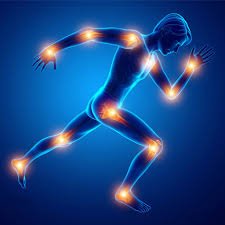
Strong joints and ligaments are essential for overall physical health, athletic performance, and injury prevention. Joints allow smooth movement, while ligaments connect bones and stabilize joints during physical activity. Weak or neglected joints and ligaments can lead to pain, instability, reduced mobility, and higher risk of injuries such as sprains, strains, or ligament tears. Maintaining joint and ligament strength is vital not only for athletes but also for anyone seeking long-term mobility and functional fitness. This comprehensive guide explores the best exercises to maintain strong joints and ligaments, explaining the science behind joint health, the types of exercises most beneficial, and practical routines to protect and strengthen connective tissues.
Understanding Joint and Ligament Health
Joints are structures where two or more bones meet, allowing movement and flexibility. Ligaments are tough bands of connective tissue that connect bones to bones, providing stability to joints and controlling excessive motion. Cartilage cushions joints, while synovial fluid lubricates them, reducing friction and wear. Maintaining strong ligaments and healthy joints ensures proper alignment, shock absorption, and smooth movement during daily activities or athletic performance. Over time, lack of exercise, poor nutrition, aging, or repetitive stress can weaken joints and ligaments, leading to pain, inflammation, and decreased function. Strengthening the supporting muscles, improving flexibility, and performing low-impact exercises are key strategies to maintain joint and ligament integrity.
Importance of Strengthening Joints and Ligaments
Strong joints and ligaments enhance stability, reduce injury risk, improve range of motion, support athletic performance, and help manage conditions such as arthritis or tendonitis. Ligament strength is particularly crucial for high-impact activities, as they absorb forces during jumps, sprints, and sudden directional changes. Strengthening exercises also improve proprioception—the body’s ability to sense joint position—which is vital for balance and injury prevention. Athletes and active individuals benefit from incorporating joint and ligament strengthening into regular training routines to maintain mobility, prevent overuse injuries, and support long-term musculoskeletal health.
Resistance Training for Joint Stability
Resistance training is one of the most effective ways to strengthen muscles surrounding joints, which in turn protects ligaments from stress. Exercises such as squats, lunges, and deadlifts strengthen the knees, hips, and lower back, while push-ups, bench presses, and rows support shoulder stability. Using free weights, resistance bands, or bodyweight exercises improves muscle tone, enhances joint alignment, and reduces the load on ligaments. Focus on proper form, controlled movements, and moderate resistance to prevent injury. Gradually increasing weight and intensity ensures ligaments adapt alongside muscles, maintaining joint stability and strength over time.
Low-Impact Exercises for Joint Health
Low-impact exercises reduce stress on joints while improving strength and flexibility. Swimming, cycling, elliptical training, and walking are excellent for maintaining cardiovascular health without overloading joints. These exercises promote synovial fluid circulation, enhance nutrient delivery to cartilage, and reduce stiffness. Low-impact activities are particularly beneficial for individuals recovering from injury, older adults, or those with joint pain. Incorporating low-impact exercises into a weekly routine supports ligament resilience and joint longevity while allowing consistent movement without risk of overuse injuries.
Flexibility and Mobility Exercises
Flexibility and mobility are critical for strong joints and ligaments. Tight muscles and limited range of motion increase strain on ligaments, raising the risk of injury. Stretching exercises such as hamstring stretches, hip flexor stretches, and shoulder stretches improve flexibility around major joints. Dynamic stretches before exercise and static stretches post-workout maintain mobility and ligament elasticity. Yoga and Pilates also enhance joint flexibility, balance, and core strength, promoting ligament health. Regular mobility work ensures joints move efficiently, distributes forces evenly, and protects connective tissues from excessive stress.
Balance and Stability Training
Balance and stability exercises strengthen smaller stabilizing muscles and improve ligament resilience. Single-leg exercises, balance board activities, and core stabilization movements enhance proprioception and neuromuscular coordination. Improved balance reduces the likelihood of falls and sudden joint stress, which are common causes of ligament injuries. Integrating stability exercises such as single-leg squats, lateral lunges, or standing on an unstable surface strengthens the muscles surrounding joints, improves postural control, and promotes long-term ligament health.
Plyometric and Functional Training
Plyometric exercises like box jumps, jump squats, and medicine ball throws improve power, coordination, and ligament strength. Functional training mimics real-life movements, training muscles and ligaments to respond to dynamic forces safely. These exercises should be performed with proper technique and gradually progressed to avoid overloading ligaments. Functional and plyometric training enhances joint stability, reactive strength, and the body’s ability to absorb impact, which is crucial for athletes and active individuals.
Core Strength and Its Impact on Joints
A strong core stabilizes the spine, hips, and shoulders, reducing excessive strain on ligaments during movement. Core exercises such as planks, bird-dogs, Russian twists, and stability ball workouts support posture, enhance balance, and protect joints. Core strength ensures forces are distributed efficiently across the body, reducing wear and tear on ligaments. Athletes and individuals who engage in dynamic sports benefit from targeted core exercises, as strong abdominal, back, and pelvic muscles contribute to overall ligament protection and joint integrity.
Specific Joint-Focused Exercises
Different joints require targeted strengthening exercises:
- Knee Ligaments: Step-ups, leg presses, hamstring curls, and lateral band walks strengthen muscles surrounding the knee, protecting ACL, MCL, and other ligaments.
- Shoulder Ligaments: Resistance band external rotations, scapular push-ups, and overhead presses improve shoulder stability and reduce rotator cuff and ligament injuries.
- Hip Ligaments: Glute bridges, clamshells, and lateral lunges support hip ligaments and reduce risk of strains.
- Ankle Ligaments: Calf raises, ankle circles, and single-leg balance exercises enhance ligament strength and prevent sprains.
Incorporating joint-specific exercises ensures targeted ligament support, improves function, and prevents common injuries.
Recovery and Nutrition for Ligament Strength
Proper recovery is essential for ligament repair and strength. Adequate sleep, rest days, and active recovery reduce the risk of overuse injuries. Nutrition also plays a key role; collagen-rich foods, vitamin C, protein, and omega-3 fatty acids support connective tissue health. Hydration ensures joints remain lubricated, promoting flexibility and elasticity in ligaments. Athletes should focus on a balanced diet that provides sufficient macronutrients and micronutrients to optimize joint and ligament resilience alongside training.
Avoiding Common Mistakes
Many individuals make mistakes that compromise joint and ligament health, such as performing exercises with poor form, skipping warm-ups, neglecting flexibility, overtraining, or ignoring pain signals. Avoid these mistakes by prioritizing proper technique, gradual progression, balanced training routines, and consistent recovery. Listening to the body, maintaining mobility, and integrating both strength and low-impact exercises ensures joints and ligaments remain strong and resilient.
Practical Weekly Routine for Strong Joints and Ligaments
A well-rounded weekly routine combines resistance training, low-impact cardiovascular exercise, flexibility, and stability work. For example, two to three days of resistance training targeting major joints, two to three days of low-impact cardio, daily mobility and stretching exercises, and balance training three times per week creates a comprehensive plan. Incorporating rest days and active recovery, along with adequate nutrition and hydration, enhances ligament and joint health while minimizing the risk of injury.
Benefits of Maintaining Strong Joints and Ligaments
Strong joints and ligaments contribute to injury prevention, better athletic performance, increased range of motion, reduced joint pain, and improved posture. They enhance the body’s ability to handle high-impact or dynamic activities, support long-term functional fitness, and maintain independence in daily life. For athletes, this translates to improved power, agility, endurance, and recovery, while non-athletes experience better mobility, stability, and reduced risk of degenerative conditions such as osteoarthritis.
Final Thoughts
Maintaining strong joints and ligaments is essential for overall health, athletic performance, and injury prevention. A combination of resistance training, low-impact exercises, flexibility work, balance and stability training, plyometrics, functional movements, core strengthening, targeted joint exercises, proper recovery, and supportive nutrition ensures long-term ligament and joint health. Avoiding common mistakes, following a structured routine, and listening to the body’s signals help protect connective tissues, improve mobility, and support overall functional fitness. Incorporating these best exercises to maintain strong joints and ligaments into a consistent fitness plan is a proactive approach to long-term physical well-being, performance enhancement, and reduced injury risk.