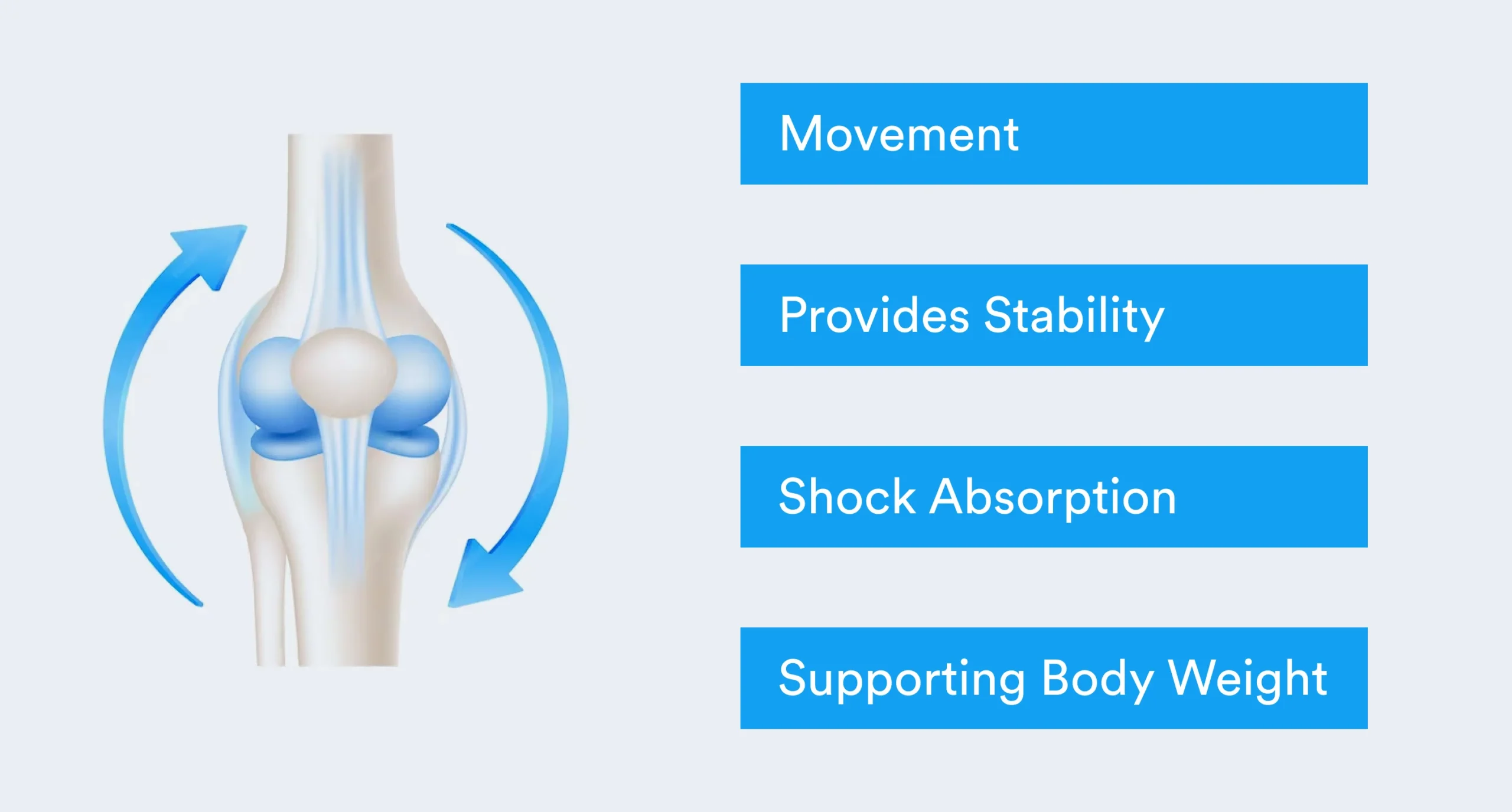
Joint and ligament injuries are prevalent among athletes, fitness enthusiasts, and active individuals. These injuries can affect performance, limit mobility, and increase recovery time. Understanding the causes, types, symptoms, and prevention strategies for joint and ligament injuries is essential for maintaining long-term athletic performance. Proper training, nutrition, and preventive measures help reduce the risk of injuries and support overall musculoskeletal health.
Common Types of Joint and Ligament Injuries
Athletes are prone to various joint and ligament injuries, including sprains, strains, tears, dislocations, and inflammation. Commonly affected areas include the knees, shoulders, ankles, elbows, and wrists. Understanding the specific types of injuries helps in early diagnosis, treatment, and prevention.
Knee Injuries
Knee injuries are among the most common in sports, including anterior cruciate ligament (ACL) tears, meniscus tears, and patellar tendinitis. These injuries can result from sudden stops, twists, or direct impacts. Symptoms often include pain, swelling, instability, and limited range of motion.
Shoulder Injuries
Shoulder injuries include rotator cuff tears, dislocations, and labrum injuries. Overhead movements, repetitive actions, or trauma can lead to these conditions. Symptoms may include pain, weakness, limited mobility, and instability.
Ankle Injuries
Ankle sprains, ligament tears, and Achilles tendon injuries are common in running, jumping, and high-impact sports. Symptoms often include swelling, bruising, pain, and difficulty bearing weight.
Elbow and Wrist Injuries
Athletes involved in throwing, racket sports, or weightlifting may experience injuries like tennis elbow, golfer’s elbow, or ligament strains. Symptoms include localized pain, swelling, and reduced strength.
Causes of Joint and Ligament Injuries
Several factors contribute to joint and ligament injuries, including overuse, poor technique, improper warm-up, muscle imbalances, and previous injuries. Understanding these causes is crucial for prevention.
Overuse and Repetitive Stress
Continuous strain on joints and ligaments without adequate rest can lead to inflammation, microtears, and chronic injuries. Athletes must follow structured training programs that include rest and recovery.
Poor Technique and Form
Incorrect posture or movement patterns during exercise or sports increase stress on joints and ligaments, raising the risk of injury. Proper coaching and training help maintain correct technique.
Weak Muscles and Imbalances
Weak or imbalanced muscles around joints reduce stability, making ligaments more vulnerable to injury. Strengthening surrounding muscles supports joint integrity and reduces injury risk.
Inadequate Warm-Up and Stretching
Skipping warm-up routines or neglecting stretching can leave joints stiff and ligaments less flexible. Dynamic warm-ups and stretching increase blood flow, flexibility, and injury prevention.
Prevention Strategies for Joint and Ligament Injuries
Preventing joint and ligament injuries involves a combination of proper training, nutrition, recovery, and lifestyle choices. Incorporating preventive measures ensures long-term joint health and optimal performance.
Strength Training
Targeted strength training around major joints improves stability, supports ligaments, and reduces injury risk. Exercises for the knees, shoulders, ankles, and core enhance muscular support for proper joint alignment.
Flexibility and Mobility Work
Regular stretching, yoga, and mobility drills increase ligament and tendon flexibility, allowing joints to move safely through their range of motion. Improved flexibility reduces the risk of tears and sprains.
Proper Technique and Coaching
Learning correct form and movement patterns from experienced coaches reduces unnecessary joint stress. Athletes should prioritize skill development alongside physical training.
Adequate Warm-Up and Cool-Down
Dynamic warm-ups before exercise and static stretching after workouts prepare joints and ligaments for activity and aid recovery. Warm-ups increase blood flow, while cool-downs reduce post-exercise stiffness.
Gradual Progression in Training
Gradually increasing intensity, volume, and complexity in training prevents sudden stress on joints and ligaments. Avoiding abrupt changes in exercise intensity reduces overuse injuries.
Balanced Nutrition
Proper nutrition supports joint and ligament health by providing essential nutrients like protein, omega-3 fatty acids, vitamins, and minerals. Nutrients aid in tissue repair, reduce inflammation, and maintain musculoskeletal integrity.
Hydration
Adequate hydration keeps joints lubricated and supports tendon and ligament elasticity. Dehydration can increase friction, stiffness, and susceptibility to injury.
Rest and Recovery
Scheduled rest and recovery days allow joints and ligaments to heal from training stress. Overtraining without recovery increases injury risk and impairs long-term performance.
Use of Supportive Gear
Wearing appropriate footwear, braces, or protective equipment during high-impact or contact sports reduces stress on joints and ligaments and prevents injuries.
Early Detection and Treatment
Recognizing early signs of joint and ligament injuries, such as pain, swelling, instability, or reduced range of motion, is crucial. Prompt treatment through physiotherapy, medical intervention, and rehabilitation ensures faster recovery and reduces long-term damage.
Rehabilitation and Return to Sport
Post-injury rehabilitation includes physical therapy, strengthening exercises, and gradual reintroduction to activity. Following a structured rehab program helps restore joint function, ligament strength, and confidence in movement.
Role of Preventive Screening
Regular health assessments, movement screenings, and biomechanical evaluations help identify potential weaknesses and injury risks. Early intervention through screening reduces the likelihood of severe joint or ligament injuries.
Psychological Factors in Injury Prevention
Mental focus, motivation, and awareness play a significant role in preventing injuries. Athletes who maintain concentration, avoid distractions, and follow safe training practices are less likely to sustain joint or ligament damage.
Case Studies and Athlete Examples
Many professional athletes implement preventive strategies to avoid joint and ligament injuries. Strength training, mobility work, proper technique, nutrition, and recovery routines have contributed to longer careers and sustained performance, highlighting the effectiveness of prevention methods.
Conclusion
Common joint and ligament injuries can significantly impact athletic performance, training consistency, and overall physical health. By understanding the causes, symptoms, and risk factors, athletes can implement preventive strategies such as strength training, flexibility work, proper technique, nutrition, hydration, and adequate recovery. Regular monitoring, early intervention, and professional guidance further enhance joint and ligament health. Adopting these preventive measures ensures safe, effective, and long-term performance in sports and fitness activities.