
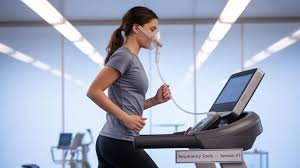
Respiratory fitness is a critical component of overall physical performance, endurance, and health. For athletes, active individuals, and even those beginning a fitness program, assessing respiratory function provides insight into lung capacity, oxygen uptake, ventilatory efficiency, and overall cardiovascular fitness. Respiratory fitness assessments can include tests such as VO2 max, spirometry, breath-hold tests, and submaximal exercise evaluations. Proper preparation for these assessments ensures accurate, reliable, and actionable results. This guide provides detailed tips and guidelines for preparing for respiratory fitness assessments, helping individuals achieve accurate measurements while optimizing performance and safety.
Understanding Respiratory Fitness Assessments
Respiratory fitness assessments measure how efficiently the lungs, heart, and circulatory system deliver oxygen to working muscles. VO2 max testing, often conducted on treadmills, cycles, or rowing machines, measures maximal oxygen consumption and is a gold standard for aerobic capacity. Spirometry tests assess lung function, including forced vital capacity and forced expiratory volume, which can indicate respiratory limitations. Submaximal tests estimate cardiovascular fitness based on heart rate response to exercise, while breath-hold tests provide insight into lung capacity and oxygen utilization. Accurate preparation for these assessments is critical because respiratory measurements are influenced by factors such as recent exercise, nutrition, hydration, sleep, and environmental conditions.
Importance of Preparation
Proper preparation ensures that results reflect true baseline respiratory fitness rather than temporary fluctuations caused by fatigue, diet, or environmental factors. Preparation reduces variability, prevents underperformance, and provides data that can guide training, nutrition, and recovery strategies. For athletes, this information is crucial for adjusting training loads, monitoring adaptation, and optimizing aerobic performance. Inaccurate results due to poor preparation can mislead trainers, athletes, and medical professionals, potentially affecting performance programming or health interventions.
Timing and Scheduling Assessments
Respiratory fitness is influenced by circadian rhythms, recent activity, and environmental factors. Scheduling assessments at a consistent time of day, ideally in the morning, helps reduce variability caused by hormonal fluctuations, fatigue, or daily activity levels. Avoid scheduling assessments immediately after intense exercise, competition, or high-stress activities, as residual fatigue can impact respiratory performance. Allowing at least 24 hours of rest before testing ensures results reflect true baseline respiratory capacity.
Pre-Test Nutrition Guidelines
Nutrition affects energy availability, lung function, and exercise performance during respiratory assessments. Heavy meals immediately before testing can increase gastrointestinal discomfort and reduce ventilatory efficiency. Conversely, fasting for extended periods may lead to low energy and impaired performance. Light, balanced meals 2–3 hours prior to testing are recommended. Include easily digestible carbohydrates for energy, moderate protein, and minimal fats or fiber to prevent gastrointestinal discomfort. Avoid alcohol, excessive caffeine, or high-sugar foods for at least 24 hours before testing, as these can alter heart rate, oxygen utilization, and respiratory response.
Hydration and Respiratory Function
Adequate hydration is essential for optimal respiratory function. Dehydration reduces blood volume, increases perceived exertion, and may impair oxygen transport to muscles. Athletes should maintain normal hydration in the days leading up to testing and consume a moderate amount of water on the morning of the assessment. Overhydration immediately before testing should be avoided, as it can cause discomfort or increased urine frequency during assessment. Proper hydration ensures accurate measurements of lung function, VO2 max, and exercise performance.
Rest and Sleep Considerations
Sleep significantly impacts respiratory fitness and exercise performance. Inadequate sleep can reduce lung function, lower oxygen utilization, elevate resting heart rate, and impair exercise performance. Athletes should prioritize 7–9 hours of quality sleep in the 1–2 nights leading up to assessment. Maintaining a consistent sleep schedule and practicing good sleep hygiene, including limiting screen exposure before bedtime, avoiding stimulants, and creating a dark, quiet environment, helps ensure the respiratory system is rested and performing optimally.
Exercise and Activity Guidelines Before Testing
Physical activity prior to testing influences respiratory performance. Intense exercise can temporarily elevate heart rate, increase respiratory effort, and induce fatigue, potentially skewing assessment results. Athletes should avoid vigorous training sessions 24–48 hours before testing. Light activity, such as gentle stretching or walking, is generally acceptable to maintain normal function without causing fatigue. Proper scheduling of workouts and rest days before respiratory assessments ensures accurate results and minimizes the risk of underestimating fitness capacity.
Environmental Considerations
Environmental conditions can affect respiratory measurements, including temperature, humidity, air quality, and altitude. Extreme temperatures or poor air quality may reduce lung function, impair oxygen uptake, and alter perceived exertion. Whenever possible, tests should be conducted in controlled, well-ventilated environments with moderate temperatures. Athletes training or testing at altitude should account for lower oxygen availability and understand that VO2 max and lung capacity may be temporarily affected. Consistent environmental conditions help ensure reliable results over repeated assessments.
Clothing and Equipment Considerations
Appropriate clothing and equipment improve comfort, safety, and test accuracy. Wear lightweight, breathable clothing that allows full range of motion and does not restrict breathing. Athletic shoes that provide support and traction are important for treadmill, cycle, or rowing-based VO2 max tests. Remove accessories that may interfere with measurement devices or movement. If the test involves mouthpieces, masks, or respiratory monitoring equipment, ensure proper fit and comfort to avoid leaks or inaccurate readings. Proper attire and equipment contribute to safe and accurate respiratory assessment.
Psychological Preparation
Mental readiness influences respiratory performance. Anxiety, stress, or lack of motivation can alter breathing patterns, heart rate, and perceived exertion. Athletes should approach assessments with a calm, focused mindset. Breathing exercises, mindfulness techniques, or visualization can help manage stress and optimize performance. Understanding test procedures beforehand reduces anxiety and ensures participants are comfortable and confident during the assessment. Psychological preparation is as important as physical readiness for reliable respiratory measurements.
Medication and Supplement Considerations
Certain medications and supplements may affect respiratory performance and measurements. Bronchodilators, stimulants, beta-blockers, or medications for thyroid or cardiovascular conditions can influence lung function, heart rate, and oxygen utilization. Athletes should disclose all medications and supplements to the testing professional. Guidance on temporary adjustments or continued use may be provided to ensure accurate, meaningful results. Full transparency ensures that test outcomes reflect natural physiological function rather than pharmacological effects.
Pre-Test Breathing Exercises
Engaging in light breathing exercises prior to assessment can help optimize lung function and reduce stress. Techniques such as diaphragmatic breathing, box breathing, or controlled inhalation and exhalation improve oxygen exchange, reduce anxiety, and prepare the respiratory muscles for testing. These exercises help participants perform optimally during VO2 max tests, spirometry, or submaximal assessments by ensuring controlled, efficient breathing patterns.
Warm-Up Protocols
A proper warm-up enhances respiratory performance, prepares the cardiovascular system, and reduces injury risk. Light aerobic activity, such as jogging, cycling, or dynamic movements, gradually increases heart rate and ventilatory rate, improving oxygen delivery and utilization. Warm-up duration should be tailored to test type and intensity, typically 5–10 minutes. Proper warm-up ensures accurate assessment of respiratory fitness by priming the body without inducing fatigue or overexertion.
Test Day Checklist
On the day of respiratory assessment, athletes should follow a checklist to ensure readiness. Confirm adequate sleep and nutrition, maintain hydration, avoid strenuous activity, wear appropriate clothing, practice light warm-up, and manage stress. Arrive early to complete any necessary paperwork, understand test procedures, and address questions with the testing professional. Adhering to a structured checklist reduces errors and enhances the reliability of results, ensuring assessments provide actionable data for performance and training adjustments.
Interpreting Respiratory Fitness Results
Understanding respiratory fitness results requires context. VO2 max, tidal volume, breathing rate, and other measurements should be interpreted in relation to age, sex, training status, and sport-specific demands. Single measurements provide baseline data, while repeated assessments track progress and adaptations to training. Working with exercise physiologists, sports scientists, or medical professionals ensures accurate interpretation and meaningful application of results in training programs. Trends over time are more informative than isolated readings, providing insight into improvements, potential limitations, and training effectiveness.
Common Mistakes to Avoid
Athletes often make mistakes that compromise respiratory assessment results, including skipping rest days, failing to hydrate, eating improperly before testing, exercising too intensely, neglecting warm-up, or arriving unprepared. Other errors include not disclosing medications or supplements, testing in uncontrolled environments, and poor psychological readiness. Avoiding these mistakes ensures that assessments reflect true respiratory fitness and provide reliable data for performance optimization.
Optimizing Performance Based on Assessment Outcomes
Once assessment results are available, athletes can use them to inform training programs, nutrition strategies, and recovery protocols. Identifying strengths and weaknesses in aerobic capacity, lung function, or ventilatory efficiency helps tailor workouts to improve respiratory performance. Integrating interval training, aerobic conditioning, breathing exercises, and appropriate rest can enhance cardiovascular and respiratory adaptation. Nutritional strategies, such as ensuring adequate iron, antioxidants, and hydration, support oxygen transport and utilization. Proper application of assessment outcomes maximizes athletic performance, endurance, and long-term respiratory health.
Long-Term Monitoring and Follow-Up
Regular respiratory fitness assessments allow athletes to monitor adaptations over time, adjust training loads, and prevent overtraining. Repeated testing under consistent conditions provides insights into the effectiveness of training programs and early detection of respiratory limitations or fatigue. Maintaining records of assessments, alongside training logs, nutrition, sleep, and stress management, provides a comprehensive overview of performance trends and helps optimize long-term respiratory health and athletic outcomes.
Final Thoughts
Preparing for respiratory fitness assessments requires careful attention to physical, nutritional, environmental, and psychological factors. Proper preparation ensures accurate, reliable, and meaningful results, providing actionable data for training, recovery, and performance enhancement. Key preparation strategies include adequate sleep, balanced nutrition, proper hydration, rest from intense exercise, controlled warm-up, mental readiness, and adherence to testing protocols. Avoiding common mistakes and following these guidelines enables athletes to maximize the benefits of respiratory fitness assessments. Consistency, attention to detail, and informed application of results help optimize aerobic capacity, ventilatory efficiency, and overall physical performance, contributing to long-term health and athletic success.