Respiratory fitness is a critical component of overall health and athletic performance. It measures the efficiency of the lungs, heart, and circulatory system in delivering oxygen to working muscles and removing carbon dioxide. Athletes, fitness enthusiasts, and individuals undergoing medical assessments often perform respiratory fitness tests to evaluate cardiovascular endurance, pulmonary function, and overall physical capacity. However, despite their importance, these tests are frequently performed incorrectly, leading to inaccurate results, misinterpretation, and potentially inappropriate training or medical decisions. Understanding the common mistakes during respiratory fitness tests is essential for athletes, trainers, and healthcare professionals to ensure accurate assessment and optimize performance and health outcomes.
Importance of Respiratory Fitness Testing
Respiratory fitness tests provide objective insights into an individual’s aerobic capacity, lung function, and endurance potential. These tests are valuable for monitoring progress, tailoring training programs, assessing health risks, and guiding rehabilitation. For athletes, respiratory fitness directly influences performance in endurance sports such as running, cycling, swimming, rowing, and team sports that require sustained effort. For clinical populations, these tests help detect pulmonary limitations, cardiovascular dysfunction, and exercise intolerance, guiding appropriate medical or therapeutic interventions. Accurate testing ensures that the results reflect true physiological capacity rather than being affected by procedural errors or misinterpretations.
Key Respiratory Fitness Tests
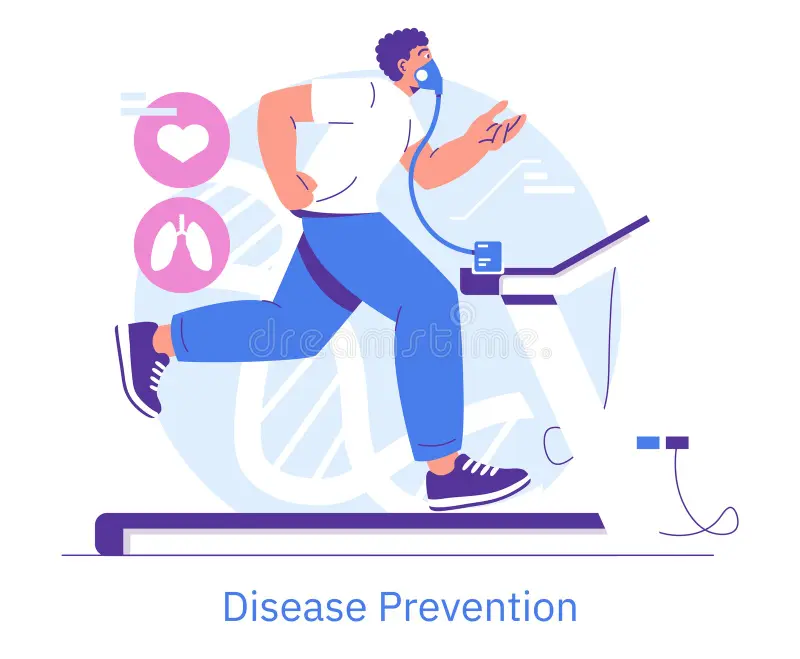
Several standardized respiratory fitness tests are commonly used, each measuring different aspects of pulmonary and cardiovascular function. The VO2 max test is considered the gold standard for assessing maximal oxygen uptake and aerobic capacity. Treadmill and cycle ergometer tests are widely used to measure oxygen consumption, heart rate response, and endurance under controlled conditions. Submaximal tests, including the Cooper 12-minute run, 1.5-mile run, and step tests, estimate aerobic capacity based on performance and heart rate. Pulmonary function tests, such as spirometry, measure lung volume, airflow, and respiratory strength. Each of these tests provides valuable information, but accuracy depends on proper administration, participant preparation, and adherence to standardized protocols.
Mistakes in Pre-Test Preparation
One of the most common sources of error during respiratory fitness tests is inadequate pre-test preparation. Participants who fail to rest properly, hydrate adequately, or avoid strenuous activity before testing may experience fatigue, dehydration, or elevated heart rates that affect performance. Improper nutrition, including insufficient carbohydrate intake, can reduce energy availability and compromise aerobic output. Smoking, alcohol consumption, or caffeine intake prior to testing can also interfere with respiratory and cardiovascular function. Additionally, failing to communicate recent illness, respiratory infections, or medication use may impact results and lead to misinterpretation. Proper pre-test preparation, including adequate rest, hydration, nutrition, and disclosure of relevant health information, is critical for obtaining accurate and meaningful results.
Mistakes in Test Protocols
Errors in the administration of respiratory fitness tests can significantly compromise accuracy. Incorrect treadmill or cycle ergometer settings, improper calibration of equipment, or deviation from standardized protocols can alter workload, oxygen consumption measurement, and heart rate response. Starting the test too fast or too slow, inconsistent pacing, or premature termination of the test may lead to inaccurate VO2 max estimation or submaximal performance evaluation. In spirometry tests, improper positioning, incorrect breathing technique, or failure to provide maximal effort can result in underestimation of lung function. Strict adherence to standardized protocols, careful equipment calibration, and proper participant instruction are essential to minimize these errors.
Breathing Technique Errors
Respiratory fitness tests require proper breathing technique to ensure accurate measurement of oxygen uptake and lung function. Participants who breathe too shallowly, hold their breath, or hyperventilate may distort results. In tests that involve masks or mouthpieces, improper seal or incorrect usage can lead to air leaks and unreliable oxygen and carbon dioxide readings. Athletes unaccustomed to breathing through equipment may also experience discomfort or anxiety, further affecting performance. Clear instructions, demonstration of proper technique, and supervised practice before testing can reduce errors related to breathing and improve test reliability.
Effort-Related Mistakes
Respiratory fitness testing relies on maximal or near-maximal effort to accurately assess aerobic capacity. Participants who fail to exert sufficient effort, either due to fatigue, fear, or lack of motivation, may produce artificially low VO2 max values or submaximal performance results. Conversely, participants who push beyond safe limits without proper supervision risk overexertion, dizziness, or cardiovascular events. Inconsistent effort across testing sessions can also compromise longitudinal tracking of fitness improvements. Encouraging participants to perform to their best ability, monitoring heart rate and perceived exertion, and providing clear guidance on effort levels are essential for obtaining valid results.
Equipment and Calibration Mistakes
Faulty or poorly maintained equipment can introduce significant errors in respiratory fitness testing. Gas analyzers, treadmills, cycle ergometers, spirometers, and heart rate monitors must be properly calibrated before each test. Leaks in respiratory tubing, misaligned sensors, or malfunctioning software can result in inaccurate oxygen uptake, ventilation, or heart rate measurements. Failure to regularly inspect and maintain equipment can also compromise test safety. Ensuring equipment calibration, routine maintenance, and verification of data accuracy are fundamental practices for reliable respiratory fitness assessment.
Environmental Factors Affecting Test Accuracy
External conditions can influence respiratory fitness test outcomes. High temperatures, humidity, poor ventilation, or altitude variations can alter heart rate, oxygen uptake, and perceived exertion. Participants exposed to cold or hot environments may experience changes in lung function or cardiovascular response. Testing should ideally be conducted in controlled environments with consistent temperature, airflow, and lighting to minimize variability. Understanding environmental impacts and controlling for these factors improves test reliability and ensures that results reflect true physiological capacity rather than external influences.
Participant-Related Mistakes
Individual factors such as anxiety, improper warm-up, or lack of familiarity with the testing protocol can affect respiratory fitness outcomes. Nervousness or anticipation may elevate heart rate and breathing, leading to inflated or inconsistent results. Inadequate warm-up can reduce muscle efficiency, increase perceived exertion, and compromise aerobic performance. Lack of understanding of the test procedure may result in improper pacing, breathing errors, or premature fatigue. Providing clear instructions, demonstrating the test, and allowing practice sessions can reduce participant-related errors and enhance the accuracy of measurements.
Interpretation and Data Analysis Mistakes
Even when respiratory fitness tests are performed correctly, mistakes in interpretation can lead to inappropriate conclusions. Misunderstanding normative values, failing to consider age, sex, or fitness level, and ignoring individual variability can result in inaccurate assessment of aerobic capacity. Overreliance on a single metric, such as VO2 max, without considering heart rate response, lactate threshold, or perceived exertion, may provide an incomplete picture of fitness. Accurate interpretation requires combining test results with clinical context, participant history, and additional physiological indicators to develop meaningful insights and guide training or medical recommendations.
Strategies to Improve Test Accuracy
Preventing common mistakes during respiratory fitness tests involves a combination of participant preparation, proper protocol adherence, equipment maintenance, and careful data interpretation. Participants should receive clear instructions, adequate rest, hydration, and nutrition before testing. Test administrators must follow standardized procedures, calibrate equipment, and provide supervision to ensure safety and accuracy. Encouraging consistent maximal effort, demonstrating proper breathing technique, and controlling environmental conditions further enhance reliability. Post-test analysis should integrate multiple performance metrics, individual context, and longitudinal data to ensure meaningful conclusions.
Common Myths and Misconceptions
Several myths surround respiratory fitness testing that may contribute to errors. Some participants believe that tests are unsafe or excessively taxing, leading to reduced effort. Others assume that resting heart rate or subjective fatigue is sufficient to gauge aerobic fitness, ignoring the value of objective measurements. Misconceptions about breathing through masks, exertion levels, or test duration can lead to improper technique and inaccurate results. Educating participants and coaches about the purpose, safety, and benefits of respiratory fitness tests reduces anxiety, improves compliance, and enhances test validity.
The Role of Respiratory Fitness in Training and Performance
Accurate respiratory fitness testing provides insights that directly inform training programs, endurance performance, and recovery strategies. By identifying aerobic capacity, ventilatory efficiency, and pulmonary limitations, athletes and trainers can design programs that target specific physiological adaptations. For example, interval training, threshold runs, or respiratory muscle training may be prescribed based on test results. Regular testing also allows monitoring of progress, detection of overtraining, and assessment of the effectiveness of training interventions. Understanding and correcting common mistakes in testing ensures that athletes receive reliable data to optimize performance and reduce injury risk.
Integration with Health and Medical Monitoring
Respiratory fitness tests are not only valuable for athletic performance but also play a role in medical monitoring. They help detect early signs of pulmonary disease, cardiovascular dysfunction, or exercise intolerance. Accurate testing allows clinicians to recommend interventions such as pulmonary rehabilitation, medication adjustments, or lifestyle changes. Avoiding common testing errors is essential in clinical populations, as misdiagnosis or misinterpretation could lead to inappropriate medical management or delayed treatment. Combining respiratory fitness tests with other health assessments provides a comprehensive picture of overall health and functional capacity.
Conclusion
Respiratory fitness tests are essential tools for assessing aerobic capacity, lung function, and overall physical performance. However, common mistakes during testing, including inadequate preparation, protocol errors, improper breathing, inconsistent effort, equipment malfunctions, environmental influences, participant factors, and misinterpretation of results, can compromise accuracy and lead to misleading conclusions. Preventing these mistakes involves careful participant preparation, strict adherence to standardized protocols, proper equipment calibration, controlled testing conditions, and comprehensive data analysis. By understanding and addressing these errors, athletes, trainers, and healthcare professionals can ensure reliable assessment of respiratory fitness, optimize training programs, monitor progress effectively, and support long-term health and performance. Accurate respiratory fitness testing provides critical insights into cardiovascular endurance, pulmonary function, and overall well-being, allowing individuals to train smarter, recover better, and achieve peak performance while minimizing the risk of injury or health complications.