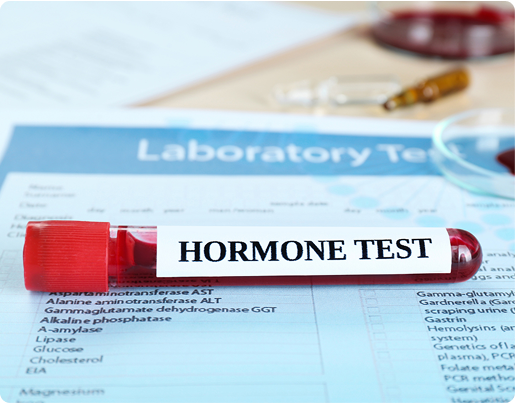
Hormones are chemical messengers in the body that regulate critical functions including metabolism, energy production, muscle growth, recovery, and mood. For athletes and fitness enthusiasts, hormonal balance is essential for peak performance, endurance, and overall physical health. Hormonal imbalances can disrupt training progress, reduce strength and stamina, impair recovery, and increase the risk of injuries. Understanding the impact of hormones and how to maintain optimal levels is crucial for athletes striving for consistent sports performance.
Role of Key Hormones in Sports Performance
Several hormones play a vital role in athletic performance, including testosterone, cortisol, insulin, growth hormone, thyroid hormones, and estrogen. Each hormone influences specific aspects of energy, muscle function, metabolism, and recovery. Maintaining a balance among these hormones ensures that athletes achieve strength gains, optimal endurance, and efficient recovery while preventing overtraining and fatigue.
Testosterone and Muscle Strength
Testosterone is the primary anabolic hormone responsible for muscle growth, strength, and energy. It stimulates protein synthesis, increases red blood cell production, and supports bone density. Low testosterone levels can lead to reduced muscle mass, decreased strength, fatigue, and poor recovery. Athletes with balanced testosterone experience improved training performance, faster muscle repair, and higher endurance levels.
Cortisol and Stress Management
Cortisol, known as the stress hormone, regulates energy metabolism and helps the body respond to physical stress. While moderate cortisol levels are necessary for adaptation to training, chronically elevated cortisol due to overtraining, lack of sleep, or psychological stress can impair muscle recovery, reduce strength, and increase fat storage. Monitoring cortisol levels and implementing stress-reduction techniques are essential for maintaining athletic performance.
Growth Hormone and Recovery
Growth hormone supports muscle growth, fat metabolism, tissue repair, and recovery. Adequate growth hormone levels enhance performance by improving muscle synthesis and reducing recovery time between intense workouts. Low growth hormone levels can slow recovery, reduce energy, and negatively affect endurance. Sleep, nutrition, and proper training stimulate natural growth hormone production.
Thyroid Hormones and Metabolism
Thyroid hormones regulate basal metabolic rate, energy expenditure, and cardiovascular function. Hypothyroidism can lead to fatigue, reduced endurance, slower metabolism, and weight gain, while hyperthyroidism can cause rapid energy depletion, muscle weakness, and increased injury risk. Maintaining thyroid hormone balance is critical for sustaining energy levels and efficient performance during training and competition.
Insulin and Energy Utilization
Insulin regulates blood sugar levels and nutrient uptake into muscles. Proper insulin function ensures that glucose is efficiently delivered to muscle cells for energy and glycogen replenishment. Insulin resistance or imbalance can reduce energy availability, impair muscle recovery, and decrease overall performance. Athletes can optimize insulin sensitivity through balanced nutrition, regular exercise, and controlled carbohydrate intake.
Estrogen and Female Athletic Performance
Estrogen plays a crucial role in female athletes by regulating bone health, energy metabolism, and menstrual cycle function. Hormonal imbalances in estrogen can lead to menstrual irregularities, reduced bone density, and fatigue, collectively affecting sports performance. Female athletes must monitor estrogen levels and ensure proper nutrition and training intensity to maintain optimal performance.
Signs of Hormonal Imbalances in Athletes
Recognizing signs of hormonal imbalances helps athletes address issues before they impact performance. Common symptoms include persistent fatigue, poor recovery, reduced muscle mass, mood swings, decreased endurance, sleep disturbances, and changes in appetite. Early detection allows athletes to take corrective measures through nutrition, lifestyle adjustments, and medical guidance.
Impact on Strength and Muscle Gains
Hormonal imbalances directly affect the ability to gain strength and build muscle. Low anabolic hormone levels reduce protein synthesis, impair muscle growth, and slow recovery after resistance training. Imbalanced hormones can also increase catabolic activity, breaking down muscle tissue and hindering performance progress.
Effect on Endurance and Stamina
Balanced hormones are necessary for sustaining cardiovascular performance, oxygen delivery, and energy metabolism. Imbalances in thyroid hormones, cortisol, or insulin can lead to early fatigue, decreased stamina, and impaired aerobic capacity. Athletes may struggle to maintain high-intensity training sessions or perform effectively in endurance events without hormonal balance.
Recovery and Injury Risk
Hormonal imbalances delay recovery by reducing tissue repair, increasing inflammation, and impairing energy metabolism. Poor recovery increases the risk of overuse injuries, muscle strains, and stress fractures. Maintaining balanced hormone levels ensures faster repair, reduced soreness, and lower injury susceptibility, allowing consistent training and competition performance.
Nutrition and Hormonal Balance
Proper nutrition supports hormonal health and athletic performance. Adequate protein, healthy fats, complex carbohydrates, vitamins, and minerals help regulate testosterone, cortisol, insulin, and other key hormones. Nutrient deficiencies or excesses can disrupt hormonal function, reduce energy, and impair recovery. Athletes must follow a balanced diet tailored to their sport and training demands.
Sleep and Hormonal Regulation
Sleep is critical for hormonal balance, including growth hormone, cortisol, and testosterone. Inadequate sleep disrupts hormone production, reduces recovery, and negatively affects strength, endurance, and mental focus. Consistent, quality sleep supports energy levels, mood stability, and optimal athletic performance.
Stress Management and Performance
Psychological stress influences cortisol levels and overall hormonal balance. High stress can increase catabolic hormones, reduce anabolic hormone production, and impair recovery. Athletes benefit from mindfulness, meditation, and relaxation techniques to manage stress, maintain hormonal balance, and improve performance outcomes.
Training Strategies and Hormone Optimization
Training programs should be designed to support hormonal health. Overtraining can elevate cortisol and reduce anabolic hormones, while balanced strength and endurance programs promote optimal hormone production. Incorporating recovery days, periodization, and varied intensity helps athletes maintain performance without causing hormonal disruption.
Monitoring and Professional Guidance
Regular monitoring of hormone levels through blood tests, physical assessments, and performance metrics allows athletes to identify imbalances early. Working with sports physicians, endocrinologists, and nutritionists ensures accurate evaluation and appropriate interventions. Professional guidance helps athletes optimize hormonal health while minimizing risks and maximizing athletic potential.
Case Studies and Athlete Examples
Many professional athletes manage hormonal balance proactively to maintain peak performance. Monitoring testosterone, cortisol, thyroid hormones, and insulin, combined with nutrition, sleep, and recovery strategies, has been shown to enhance strength, endurance, and overall athletic success. Real-world examples highlight the importance of hormonal health for sustained sports performance.
Conclusion
Hormonal imbalances significantly impact sports performance, affecting strength, endurance, recovery, and overall energy. Maintaining balanced hormones through proper nutrition, sleep, stress management, training strategies, and professional monitoring allows athletes to optimize performance, reduce injury risk, and achieve consistent results. Understanding the role of key hormones and taking proactive steps to address imbalances is essential for athletes seeking long-term success in their sport and overall fitness goals.