
Regular health checks are an essential component for athletes, fitness enthusiasts, and active individuals who aim to optimize performance, maintain peak physical condition, and prevent injuries. While training routines, diet, and recovery are often the primary focus, comprehensive health monitoring ensures that the body functions at its best, identifies potential problems before they escalate, and provides insights for personalized performance improvement strategies. Health checks provide valuable data on cardiovascular health, hormonal balance, body composition, nutrition, and metabolic function. By integrating regular evaluations into a training plan, athletes can enhance strength, endurance, energy levels, and recovery, ultimately improving performance in a sustainable and safe way.
Athletic performance is influenced by multiple factors, including cardiovascular fitness, muscular strength, endurance, flexibility, nutrition, mental focus, and hormonal balance. Regular health checks allow athletes to measure these components objectively, set realistic goals, and monitor progress over time. Health assessments help identify hidden conditions such as anemia, thyroid dysfunction, low testosterone, vitamin deficiencies, or high cholesterol that can negatively impact training outcomes. Early detection through regular evaluations enables intervention through diet, supplementation, medical care, or adjustments in training, preventing setbacks that could hinder performance.
The Importance of Regular Health Checks for Athletes
Regular health checks are critical for maintaining overall well-being and athletic performance. They provide a snapshot of an individual’s health status, uncover hidden issues, and track changes over time. Athletes often push their bodies to the limit, and without proper monitoring, small problems can develop into significant performance barriers or injuries. Routine evaluations help ensure that training loads are appropriate, recovery is adequate, and nutrition is aligned with performance goals.
Health checks also play a preventive role. Conditions like high blood pressure, cardiovascular disease risk, metabolic disorders, or hormonal imbalances may remain unnoticed without testing. Early identification allows athletes to make informed choices regarding training intensity, diet, and supplementation. Monitoring health metrics such as resting heart rate, blood pressure, and blood sugar levels contributes to safer and more effective training programs. Additionally, regular checks enhance mental confidence, as athletes know they are training with a body that is physically prepared and healthy.
Key Health Metrics to Monitor
Several health metrics are particularly relevant for athletic performance. These include cardiovascular health, hormonal balance, body composition, metabolic efficiency, and nutritional status. Each metric provides unique insights into the athlete’s overall readiness, recovery potential, and ability to perform at high intensity.
Cardiovascular Health
The cardiovascular system is fundamental to endurance, energy levels, and overall performance. Health checks often include heart rate monitoring, blood pressure measurement, cholesterol levels, and ECG or stress tests. These assessments help detect irregularities, evaluate heart efficiency, and optimize aerobic conditioning. A strong and healthy cardiovascular system improves oxygen delivery to muscles, delays fatigue, and enhances recovery. Monitoring cardiovascular metrics regularly allows athletes to adjust training intensity, avoid overtraining, and maximize endurance performance.
Hormonal Health
Hormones regulate muscle growth, recovery, energy levels, metabolism, and mental focus. Regular checks of key hormones like testosterone, cortisol, thyroid hormones, growth hormone, and insulin provide insights into metabolic function, training adaptation, and recovery capacity. Imbalances can lead to fatigue, poor performance, weight changes, and slower muscle growth. Detecting and addressing hormonal issues through lifestyle adjustments, nutrition, and training modifications ensures consistent energy levels, better muscle recovery, and improved overall performance.
Body Composition
Body composition analysis measures fat mass, lean muscle mass, and bone density. Monitoring these metrics allows athletes to optimize body weight for performance goals, whether for endurance, strength, or power sports. Excess body fat can reduce speed, agility, and stamina, while inadequate lean muscle mass limits strength and power output. Regular health checks help track body composition changes over time, allowing athletes to modify training and nutrition strategies to improve performance and reduce the risk of injury.
Metabolic and Nutritional Health
Metabolic efficiency and nutrient status are critical for energy production and recovery. Health checks may include blood tests for vitamin and mineral levels, glucose, HbA1c, lipid profile, and iron levels. Nutrient deficiencies can compromise energy, endurance, and muscle function. Identifying deficiencies early allows athletes to adjust diet, supplementation, and meal timing to support optimal performance. Balanced nutrition combined with metabolic monitoring ensures that energy levels remain high and recovery is accelerated after intense training.
Preventing Injuries Through Health Checks
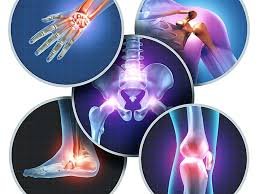
Regular health assessments help prevent injuries by identifying potential risk factors. Joint health, flexibility, bone density, and muscle imbalances can be evaluated during check-ups. Detecting weaknesses or asymmetries early allows athletes to implement corrective exercises, strengthening programs, and proper stretching routines. Injury prevention contributes directly to performance, as uninterrupted training cycles enable consistent improvement in strength, endurance, and skill development.
Athletes who ignore regular evaluations may experience overuse injuries, stress fractures, or chronic conditions that could have been prevented. Health checks also provide guidance for recovery strategies, including rest periods, rehabilitation exercises, and therapeutic interventions to maintain optimal performance levels while minimizing injury risk.
Mental Health and Performance
Mental health significantly impacts athletic performance. Stress, anxiety, and poor sleep can affect energy levels, focus, decision-making, and overall athletic output. Regular health assessments that include mental well-being evaluations, sleep quality monitoring, and stress hormone testing help athletes understand the interplay between mind and body. Identifying issues early allows for interventions such as mindfulness, cognitive therapy, and stress management techniques that enhance performance and recovery.
How Regular Health Checks Inform Training Plans
By integrating health check results into training programs, athletes and coaches can personalize routines based on objective data. Cardiovascular results guide endurance training intensity, strength assessments inform resistance programming, and hormonal tests help determine recovery needs. Athletes with optimal health metrics can safely push limits, while those with deficiencies or imbalances can focus on corrective strategies before increasing intensity. This data-driven approach ensures that training is efficient, safe, and aligned with long-term performance goals.
Regular assessments also allow tracking of progress over time. Comparing health metrics at different stages of training provides feedback on whether interventions, nutrition plans, or training adjustments are effective. Athletes can celebrate improvements in strength, endurance, recovery, or body composition, which reinforces motivation and adherence to training programs.
Practical Health Checks for Athletes
Several practical health checks are recommended for athletes and active individuals to monitor fitness and performance potential. These include physical examinations, blood tests, cardiovascular assessments, musculoskeletal evaluations, hormonal panels, and body composition analysis. Fitness tests such as strength assessments, endurance tests, flexibility, and balance evaluations complement medical assessments by providing performance-specific insights.
Blood tests provide information on red and white blood cell counts, hemoglobin, cholesterol, blood sugar, and nutrient status. Hormonal panels measure testosterone, cortisol, thyroid hormones, insulin, estrogen, and growth hormone levels. Cardiovascular assessments include ECG, stress tests, and resting heart rate monitoring. Body composition can be measured using DEXA scans, bioelectrical impedance, or skinfold calipers. Musculoskeletal evaluations check for joint stability, flexibility, posture, and muscle imbalances. Together, these tests provide a comprehensive picture of the athlete’s health and readiness.
Timing and Frequency of Health Checks
The frequency of health checks depends on age, training intensity, and competitive level. For professional athletes, comprehensive evaluations may occur every three to six months. For recreational athletes, annual or biannual assessments are generally sufficient. Pre-season and post-season evaluations help track changes resulting from training cycles and competition periods. Regular monitoring ensures that small issues are addressed promptly, recovery is optimized, and performance continues to improve.
Nutrition and Recovery Based on Health Check Results
Health checks guide nutrition and recovery strategies. Blood tests revealing iron or vitamin deficiencies prompt dietary adjustments or supplementation. Hormonal imbalances may require changes in macronutrient distribution, timing of meals, or specific recovery protocols. Cardiovascular and musculoskeletal evaluations inform hydration strategies, warm-up routines, and cool-down practices. Tailoring nutrition and recovery based on health check results ensures that athletes have sufficient energy, prevent fatigue, and recover efficiently for subsequent training sessions or competitions.
Enhancing Long-Term Athletic Performance
Regular health checks are not just about immediate performance; they support long-term athletic development. By monitoring and optimizing cardiovascular health, muscle function, hormonal balance, and nutritional status, athletes reduce the risk of chronic conditions, overtraining, and performance plateaus. Long-term performance improvement relies on consistent monitoring, proactive interventions, and informed adjustments to training and lifestyle. Athletes who incorporate regular health checks tend to experience fewer injuries, better recovery, improved energy levels, and more sustainable athletic careers.
Conclusion: The Value of Regular Health Checks
Regular health checks play a vital role in improving athletic performance, preventing injuries, and maintaining long-term health. They provide objective data on cardiovascular fitness, hormonal balance, body composition, metabolic efficiency, and mental well-being. Monitoring these metrics allows athletes to make informed decisions regarding training, nutrition, and recovery.
Integrating health checks into a structured performance plan ensures safe progression, identifies deficiencies or imbalances early, and supports sustainable improvement. Athletes benefit from increased strength, endurance, energy levels, and recovery efficiency. Beyond physical performance, regular evaluations enhance confidence, motivation, and mental focus. Ultimately, consistent health monitoring is a cornerstone of successful athletic performance and long-term fitness, helping athletes achieve their goals while maintaining optimal health.