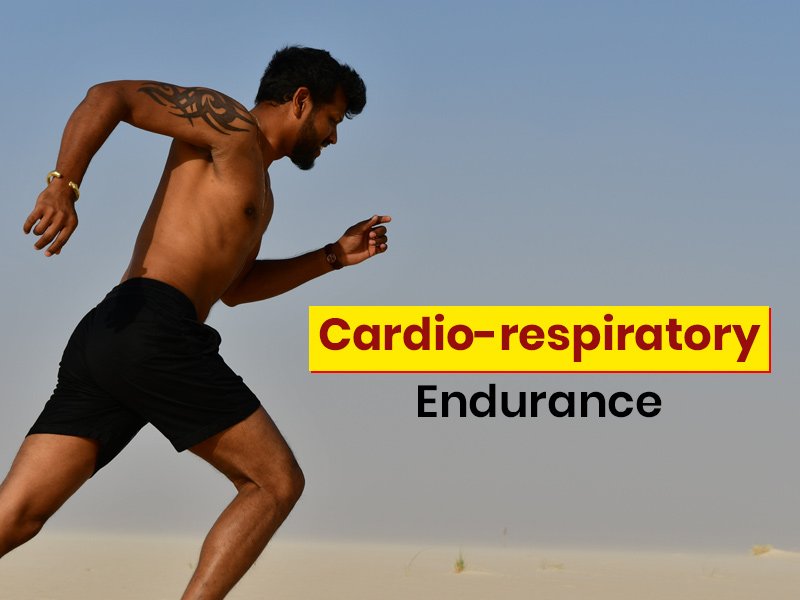
Respiratory fitness is a critical component of overall athletic performance, influencing endurance, stamina, oxygen delivery, and recovery. Respiratory fitness tests assess lung function, breathing efficiency, and oxygen uptake, providing valuable insights for athletes and fitness enthusiasts. By monitoring respiratory capacity and performance, athletes can tailor training programs, enhance aerobic performance, prevent fatigue, and achieve peak sports outcomes. Integrating respiratory assessments into routine health and fitness evaluations supports long-term performance and cardiovascular health.
Importance of Respiratory Fitness for Sports Performance
Efficient respiratory function ensures that muscles receive adequate oxygen during exercise, supporting energy production and reducing lactic acid accumulation. Athletes with strong respiratory fitness experience better endurance, faster recovery, improved stamina, and enhanced overall performance. Respiratory fitness also helps regulate heart rate, maintain mental focus, and optimize energy utilization during high-intensity training or competitions.
Key Components of Respiratory Fitness
Respiratory fitness encompasses several components, including lung capacity, tidal volume, oxygen uptake, ventilatory efficiency, and breathing pattern. Understanding these components allows athletes to monitor and improve respiratory efficiency, contributing to better aerobic and anaerobic performance. High respiratory fitness reduces breathlessness, delays fatigue, and improves overall exercise tolerance.
Common Respiratory Fitness Tests
Respiratory fitness tests evaluate lung function, breathing efficiency, and oxygen utilization, offering actionable data to optimize athletic performance. Common tests include spirometry, VO2 max testing, breath-hold tests, and submaximal exercise tests. Each test provides insights into different aspects of respiratory health, enabling athletes to identify strengths, weaknesses, and areas for improvement.
Spirometry
Spirometry measures lung volume, airflow, and capacity, providing critical data on respiratory health. Parameters such as forced vital capacity (FVC) and forced expiratory volume (FEV1) indicate lung efficiency and potential limitations. Regular spirometry testing helps athletes detect respiratory issues early and tailor training accordingly.
VO2 Max Testing
VO2 max testing measures the maximum amount of oxygen an athlete can utilize during intense exercise. It is a gold standard for aerobic capacity and endurance performance. Higher VO2 max values correlate with improved stamina, faster recovery, and enhanced cardiovascular efficiency. Athletes can design training programs based on VO2 max results to optimize endurance and energy output.
Breath-Hold Tests
Breath-hold tests assess lung capacity, respiratory control, and tolerance to carbon dioxide buildup. These tests help athletes improve breath-holding ability, enhance lung efficiency, and train respiratory muscles for better performance in sports requiring controlled breathing, such as swimming, diving, or martial arts.
Submaximal Exercise Tests
Submaximal tests evaluate respiratory response to moderate exercise intensity, providing insights into ventilatory efficiency, oxygen uptake, and recovery. These tests help athletes monitor progress over time, identify fatigue thresholds, and adjust training intensity for optimal performance.
Benefits of Respiratory Fitness Tests
Regular respiratory fitness assessments offer numerous benefits for athletes, including improved performance, injury prevention, targeted training, and enhanced recovery. Understanding lung function and respiratory efficiency allows for data-driven decisions in sports training and conditioning programs.
Enhanced Endurance
Respiratory fitness tests identify limitations in oxygen delivery and utilization, enabling athletes to improve aerobic capacity. Enhanced endurance allows athletes to sustain high-intensity activity for longer periods, delay fatigue, and perform consistently in competitions.
Optimized Energy Utilization
Efficient breathing and oxygen uptake maximize energy production during exercise. Respiratory fitness testing helps athletes develop breathing strategies and training regimens that optimize energy utilization, supporting strength, speed, and overall athletic performance.
Improved Recovery
Respiratory efficiency contributes to faster recovery by facilitating oxygen delivery to muscles and reducing lactic acid accumulation. Athletes with high respiratory fitness recover more quickly between training sessions and competitions, allowing for more consistent performance gains.
Injury Prevention
Proper respiratory function reduces strain on the cardiovascular system, prevents early fatigue, and supports proper posture during training. Respiratory fitness tests help identify limitations that could lead to overexertion or injury, enabling preventative interventions.
Training Strategies to Improve Respiratory Fitness
Based on respiratory fitness test results, athletes can implement targeted training strategies to enhance lung function, breathing efficiency, and endurance. Combining aerobic exercises, respiratory muscle training, and interval training optimizes respiratory performance and overall athletic capacity.
Aerobic Training
Running, cycling, swimming, and rowing are effective aerobic exercises that improve cardiovascular and respiratory fitness. Consistent aerobic training increases lung capacity, oxygen utilization, and endurance, contributing to better sports performance.
Respiratory Muscle Training
Specific exercises, such as inspiratory muscle training, diaphragmatic breathing, and resistance breathing, strengthen respiratory muscles. Stronger respiratory muscles improve breathing efficiency, reduce breathlessness, and enhance oxygen delivery during high-intensity activity.
Interval Training
High-intensity interval training (HIIT) challenges the respiratory system, improving oxygen uptake and recovery efficiency. Interval training alternates between high-intensity effort and active rest, simulating competitive scenarios and enhancing respiratory and cardiovascular performance.
Nutrition and Respiratory Health
Proper nutrition supports respiratory efficiency by providing essential nutrients for lung function, energy metabolism, and tissue repair. Antioxidants, vitamins, minerals, and hydration play a vital role in maintaining respiratory health and optimizing sports performance.
Hydration
Adequate hydration keeps respiratory tissues moist and supports efficient oxygen exchange. Dehydration can impair lung function, reduce endurance, and increase fatigue during exercise.
Antioxidants and Vitamins
Nutrients such as vitamin C, vitamin E, and omega-3 fatty acids protect respiratory tissues from oxidative stress and inflammation. These nutrients improve lung function, support recovery, and enhance overall athletic performance.
Monitoring Progress and Adjusting Training
Regular respiratory fitness testing allows athletes to monitor progress, track improvements, and adjust training programs based on objective data. Continuous monitoring ensures that training intensity, volume, and recovery strategies align with respiratory capacity and performance goals.
Psychological Benefits of Respiratory Fitness
Efficient breathing techniques and improved respiratory fitness enhance mental focus, reduce anxiety, and support stress management. Athletes with strong respiratory control experience better concentration, decision-making, and performance under pressure.
Incorporating Technology in Respiratory Fitness Testing
Wearable devices, fitness trackers, and respiratory monitoring tools provide real-time data on breathing rate, oxygen saturation, and lung function. Technology assists athletes in tracking performance, identifying limitations, and optimizing training strategies for improved respiratory efficiency.
Role of Professional Guidance
Working with sports physicians, respiratory therapists, and fitness coaches ensures accurate testing, proper interpretation of results, and effective training interventions. Professional guidance maximizes the benefits of respiratory fitness assessments and supports safe, data-driven performance improvements.
Case Studies and Athlete Examples
Elite athletes across various sports incorporate respiratory fitness testing into their training routines. Monitoring lung function, VO2 max, and breathing efficiency has led to improved endurance, faster recovery, and enhanced competitive performance. Real-world examples demonstrate the impact of respiratory fitness on sustained athletic success.
Conclusion
Respiratory fitness tests are an invaluable tool for athletes seeking to optimize sports performance. By assessing lung function, oxygen utilization, and breathing efficiency, athletes can improve endurance, enhance recovery, prevent injuries, and maximize energy utilization. Implementing targeted training, proper nutrition, hydration, and professional guidance based on test results ensures peak performance and long-term respiratory health. Regular respiratory assessments empower athletes to achieve consistent progress, maintain optimal performance, and excel in their respective sports and fitness pursuits.