
There is a moment that arrives for nearly everyone, often unexpectedly, when they first become aware of their joints. It might happen when you stand up after sitting for a long time and feel a stiffness in your knees that was not there before. It might be a twinge in your shoulder when you reach for something on a high shelf, or a click in your hip when you walk up stairs. For some, it comes earlier in life due to athletic wear and tear. For others, it arrives later as the natural accumulation of decades of movement begins to make itself known. However and whenever it arrives, that first awareness of joint discomfort marks the beginning of a new relationship with your body, one where you can no longer take for granted the hinges that make movement possible. The good news is that this awareness does not have to be the beginning of a long decline into pain and limitation. There is an enormous amount you can do, naturally and without invasive interventions, to support your joint health, reduce discomfort, and maintain the mobility that allows you to live fully and actively.
Joints are remarkable structures, the places where bones meet and movement happens. They are not simple hinges but complex systems involving cartilage, synovial fluid, ligaments, tendons, and muscles, all working together to allow smooth, pain-free motion. Cartilage provides a cushion between bones, absorbing shock and allowing surfaces to glide past each other. Synovial fluid lubricates the joint, reducing friction. Ligaments connect bone to bone, providing stability. Tendons connect muscle to bone, transmitting the force that creates movement. Muscles themselves support and protect the joint by absorbing forces that would otherwise be transmitted directly to the joint structures. When any part of this system is compromised, discomfort and dysfunction can follow. The natural approach to joint health involves supporting all these components through nutrition, movement, lifestyle choices, and targeted supplementation, creating conditions where your joints can continue to serve you well for a lifetime.
Understanding Your Joints and What They Need
Before diving into specific strategies for improving joint health, it is helpful to understand what joints are made of and what they require to function optimally. The most common joint issues arise from the breakdown of cartilage, the smooth, white tissue that covers the ends of bones where they meet to form a joint. Cartilage is composed primarily of water, collagen, proteoglycans, and chondrocytes, the cells that produce and maintain the cartilage matrix. It has no blood supply of its own, which means it relies on the movement of synovial fluid to bring nutrients and remove waste. This is why movement itself is essential for joint health. When you move, you compress and release the cartilage, creating a pumping action that circulates synovial fluid and delivers nourishment to the cartilage cells.
Synovial fluid is the body’s natural joint lubricant. It is a thick, egg-white-like substance produced by the synovial membrane that lines the joint capsule. This fluid reduces friction, absorbs shock, and provides nutrients to the cartilage. As we age, the production and quality of synovial fluid can decline, contributing to stiffness and discomfort. Staying hydrated is essential for maintaining adequate synovial fluid, as the fluid is primarily water. This is one of the simplest and most overlooked aspects of joint health: drinking enough water throughout the day supports the body’s ability to produce the lubricant your joints need.
The muscles and ligaments surrounding your joints play a crucial supporting role. Strong muscles absorb forces that would otherwise be transmitted directly to the joint. For example, strong quadriceps muscles in the front of the thigh help protect the knee joint by stabilizing it and absorbing impact during walking and running. Flexible muscles and tendons allow joints to move through their full range of motion without strain. This is why a balanced approach to joint health must include both strengthening and flexibility work, not just one or the other.
Inflammation is a key factor in many joint problems. Acute inflammation is a normal and healthy response to injury, part of the body’s healing process. Chronic inflammation, however, can damage joint tissues over time and contribute to conditions like osteoarthritis. Many natural approaches to joint health focus on reducing chronic inflammation through diet, lifestyle, and targeted supplements. By understanding the inflammatory process and how to modulate it naturally, you can create conditions that support rather than undermine your joint health.
Nutritional Foundations for Healthy Joints
The food you eat every day provides the raw materials your body uses to build and maintain joint tissues. A diet that supports joint health is rich in whole, unprocessed foods, particularly those that provide anti-inflammatory compounds, antioxidants, and the specific nutrients that cartilage and synovial fluid require. The standard Western diet, high in processed foods, sugar, and unhealthy fats, tends to promote inflammation and can accelerate joint degeneration. Shifting to a joint-supportive diet is one of the most powerful steps you can take.
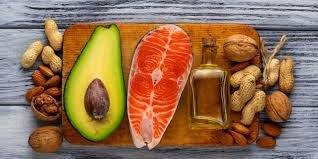
Omega-3 fatty acids are among the most extensively studied nutrients for joint health. These healthy fats, found abundantly in fatty fish like salmon, mackerel, sardines, and anchovies, have potent anti-inflammatory effects throughout the body, including in the joints. Research has shown that omega-3s can reduce the production of inflammatory molecules and may help decrease joint pain and stiffness. For those who do not eat fish regularly, fish oil supplements are an option, though getting omega-3s from food is generally preferable. Plant sources of omega-3s include flaxseeds, chia seeds, and walnuts, though the body converts these less efficiently than the forms found in fish.
Vitamin C is essential for the production of collagen, the main structural protein in cartilage and other connective tissues. Without adequate vitamin C, the body cannot build and maintain strong, resilient joints. Citrus fruits are well-known sources, but other excellent options include bell peppers, strawberries, kiwi, broccoli, and Brussels sprouts. Because vitamin C is water-soluble and not stored in the body, it is important to consume it regularly through diet. Aim to include vitamin C-rich foods in your meals throughout the day.
Vitamin D plays a crucial role in calcium absorption and bone health, and emerging research suggests it is also important for joint health. Low vitamin D levels have been associated with increased joint pain and a higher risk of osteoarthritis progression. The body produces vitamin D when skin is exposed to sunlight, but many people have insufficient levels, particularly during winter months or for those who spend most of their time indoors. Food sources include fatty fish, egg yolks, and fortified foods, but supplements are often necessary to maintain optimal levels. A simple blood test can determine whether you are deficient.
Collagen itself has become a popular supplement for joint health, and the research is promising. Hydrolyzed collagen, also called collagen peptides, is broken down into smaller particles that the body can absorb and use. Some studies suggest that collagen supplements can stimulate the body’s own collagen production and may help reduce joint pain, particularly in athletes and those with osteoarthritis. Collagen is also found in bone broth, which has been used traditionally to support joint health. Whether through food or supplements, providing the body with the building blocks for cartilage makes intuitive sense.
Antioxidants in general are important for joint health because they combat oxidative stress, which can damage joint tissues. Colorful fruits and vegetables are the best sources of a wide range of antioxidants. Berries, particularly blueberries, strawberries, and raspberries, are rich in anthocyanins, which have anti-inflammatory effects. Dark leafy greens provide a range of antioxidants along with other joint-supportive nutrients. Cruciferous vegetables like broccoli and Brussels sprouts contain sulforaphane, a compound that may help slow cartilage damage. Eating a rainbow of plant foods ensures you are getting a broad spectrum of these protective compounds.
Sulfur-containing foods are important because sulfur is a component of the glycosaminoglycans that make up cartilage. Onions, garlic, leeks, and shallots are rich in sulfur compounds and have been used for centuries in traditional medicine for joint health. Cruciferous vegetables also provide sulfur. Including these foods regularly in your cooking adds flavor while supporting your joints.
Weight Management and Joint Health
The relationship between body weight and joint health is mechanical as well as metabolic. Every pound of body weight puts approximately four pounds of pressure on the knees during walking, and even more during activities like running or climbing stairs. This means that carrying excess weight significantly increases the load on weight-bearing joints, accelerating the wear and tear that leads to osteoarthritis. The metabolic aspect is equally important. Fat tissue, particularly visceral fat around the abdomen, is metabolically active and produces inflammatory compounds that can affect joints throughout the body, even those that do not bear weight.
For those carrying excess weight, even modest weight loss can produce significant improvements in joint pain and function. Studies have shown that losing just ten to fifteen pounds can reduce knee pain by fifty percent or more in people with osteoarthritis. This is because the reduction in mechanical load is compounded by the decrease in inflammatory compounds produced by fat tissue. Weight loss also improves mobility, making it easier to engage in the physical activities that further support joint health through strengthening and conditioning.
The approach to weight loss for joint health should be sustainable and gradual, focusing on whole foods, portion control, and increased physical activity. Crash diets and extreme restrictions are counterproductive because they often lead to loss of muscle mass, which further destabilizes joints. The goal is to lose fat while preserving or even building muscle, which requires adequate protein intake and strength-training exercise. Working with a healthcare provider or registered dietitian can help you develop a plan that supports both weight loss and joint health simultaneously.
Movement as Medicine for Joints
If there is a single most important thing you can do for your joint health, it is to keep moving. Joints are designed for movement, and they thrive on it. The pumping action created by joint movement circulates synovial fluid, bringing nutrients to cartilage and carrying waste products away. Without regular movement, cartilage can become malnourished and more susceptible to damage. This is why stiffness is so common after periods of inactivity, whether it is sleeping through the night or sitting at a desk for hours. Movement gets the fluid flowing again and restores ease of motion.
Low-impact aerobic exercise is excellent for joint health because it improves circulation, supports weight management, and strengthens the cardiovascular system without subjecting joints to high levels of impact. Swimming and water aerobics are particularly beneficial because the buoyancy of water removes most of the load from joints while providing resistance for muscle strengthening. Walking is accessible to nearly everyone and can be done anywhere. Cycling, whether outdoors or on a stationary bike, provides smooth, repetitive motion that lubricates joints and strengthens the muscles that support them. Elliptical trainers offer a low-impact alternative to running that still provides cardiovascular benefits.
Strength training is essential for joint health because strong muscles protect joints by absorbing forces that would otherwise be transmitted directly to the joint structures. When muscles are weak, more of the load from everyday activities falls on ligaments and cartilage, accelerating wear and tear. Strength training does not require heavy weights or gym memberships. Bodyweight exercises like squats, lunges, and push-ups can be highly effective. Resistance bands offer a portable, inexpensive way to add resistance. The key is consistency and proper form, gradually increasing the challenge as strength improves.
Flexibility and range-of-motion work keep joints moving through their full available motion, preventing the stiffness that comes from disuse. Stretching should be done when muscles are warm, either after exercise or after a few minutes of light activity to increase blood flow. Yoga and tai chi are particularly beneficial because they combine stretching with strengthening and balance work, all in a low-impact format. Many people find that these practices not only improve their physical function but also increase their awareness of their bodies, helping them notice and address minor issues before they become major problems.
Balance training is an often-overlooked component of joint health, but it becomes increasingly important with age. Good balance reduces the risk of falls, which can cause acute joint injuries that lead to chronic problems. Balance exercises also strengthen the small, stabilizing muscles around joints, particularly in the ankles and knees. Simple practices like standing on one foot while brushing your teeth, walking heel-to-toe, or using a balance board can significantly improve stability over time.
Rest and Recovery
While movement is essential for joint health, so is rest. Joints need time to recover from the demands placed on them, particularly after intense or unfamiliar activity. This is when the body repairs micro-damage and adapts to become stronger. Without adequate rest, the cumulative effect of activity can lead to overuse injuries and chronic inflammation.
Sleep is when most of the body’s repair work happens, and joint health is no exception. During deep sleep, the body releases growth hormone, which stimulates tissue repair and regeneration. Chronic sleep deprivation has been linked to increased inflammation and pain sensitivity, creating a vicious cycle where pain interferes with sleep and lack of sleep worsens pain. Prioritizing good sleep hygiene, including consistent sleep and wake times, a comfortable sleep environment, and limiting screen time before bed, supports the body’s natural healing processes.
Active recovery, meaning low-intensity movement on days between more intense workouts, can promote circulation and joint lubrication without adding stress. This might include gentle walking, easy stretching, or foam rolling. The key is to keep intensity low enough that you are not adding to the cumulative fatigue that requires recovery. Listening to your body is essential. Some days you will feel energetic and ready to challenge yourself. Other days, your body will signal that it needs a lighter day. Learning to distinguish between normal muscle soreness and the warning signs of joint stress is a skill that develops with experience.
Natural Anti-Inflammatory Supplements
Beyond the foundational nutrients discussed earlier, several supplements have shown promise for supporting joint health through their anti-inflammatory effects. It is important to approach supplements as exactly that, supplements to a healthy diet and lifestyle, not replacements for them. The quality of supplements varies widely, and it is worth investing in products from reputable manufacturers that undergo third-party testing.
Turmeric, and specifically its active compound curcumin, has been used for centuries in traditional medicine for its anti-inflammatory properties. Modern research supports its use for joint health, with studies showing that curcumin can reduce pain and improve function in people with osteoarthritis, sometimes as effectively as over-the-counter pain medications. The challenge with curcumin is that it is poorly absorbed on its own. Look for supplements that include piperine, a compound found in black pepper that dramatically increases absorption, or formulations that use liposomal delivery or other technologies to enhance bioavailability.
Ginger is another traditional remedy with scientific support. Compounds in ginger called gingerols have anti-inflammatory effects similar to those of nonsteroidal anti-inflammatory drugs but without the same side effects. Ginger can be consumed fresh in cooking, brewed as tea, or taken in supplement form. Some studies have found that ginger can reduce pain and disability in people with osteoarthritis, particularly when used consistently over time.
Boswellia, also known as Indian frankincense, comes from the resin of the Boswellia tree and has been used in Ayurvedic medicine for centuries. Research suggests that Boswellia can reduce inflammation and may help prevent the breakdown of cartilage. Some studies have found it effective for reducing pain and improving function in people with knee osteoarthritis. Like curcumin, Boswellia is often combined with other ingredients in joint health formulations.
Green tea extract provides a concentrated source of antioxidants called catechins, which have anti-inflammatory effects throughout the body. Epigallocatechin gallate, the most abundant catechin in green tea, has been shown to protect cartilage and reduce inflammation in joint tissues. Drinking green tea regularly provides these benefits, or you can take a standardized extract for a more concentrated dose.
Glucosamine and Chondroitin
No discussion of joint health supplements would be complete without addressing glucosamine and chondroitin, two of the most widely used supplements for joint health. These compounds are naturally present in cartilage, and the theory behind supplementing with them is that providing the body with these building blocks may support cartilage maintenance and repair. The research on their effectiveness has been mixed, with some studies showing significant benefits and others showing little effect compared to placebo.
Glucosamine is an amino sugar that the body uses to produce glycosaminoglycans, a key component of cartilage. It is typically derived from shellfish shells, though vegetarian versions made from fermented corn are also available. Chondroitin is a complex carbohydrate that helps cartilage retain water and maintain its elasticity. It is usually derived from animal sources like cow cartilage.
The most comprehensive analysis of the research, a 2022 review published in the British Medical Journal, found that glucosamine and chondroitin, particularly when used in combination, produced small to moderate reductions in pain and improvements in function for people with knee osteoarthritis. The effects were not dramatic, but they were meaningful for many people. The supplements appear to be safe, with few side effects beyond mild digestive issues in some users. They are not quick fixes but rather require consistent use over weeks or months to produce benefits.
For those considering glucosamine and chondroitin, it is worth noting that quality matters. Look for products that have been tested by independent organizations like ConsumerLab or USP to ensure they contain what the label claims. The typical dosage for glucosamine is 1500 milligrams per day, and for chondroitin, 800 to 1200 milligrams per day. Some people find that one works better for them than the other, so it may be worth trying them separately before investing in a combination product.
Hydration and Joint Health
The importance of adequate hydration for joint health cannot be overstated. Synovial fluid, the lubricant that allows joints to move smoothly, is primarily water. When you are dehydrated, your body produces less synovial fluid, and the fluid it does produce is less effective at lubricating and cushioning joints. This can lead to increased friction, accelerated wear, and the sensation of stiffness and creaking that many people experience.
How much water is enough varies from person to person based on body size, activity level, climate, and other factors. A common recommendation is to drink half your body weight in ounces of water per day, so a person weighing 150 pounds would aim for 75 ounces. This is a starting point rather than a rigid rule. The color of your urine is a useful indicator. Pale yellow suggests adequate hydration, while dark yellow suggests you need to drink more.
It is also possible to drink too much water, though this is rare for most people. The key is consistent hydration throughout the day rather than trying to consume large amounts at once. Carrying a water bottle and sipping regularly makes it easier to meet your needs. Water-rich foods like fruits and vegetables also contribute to hydration, with cucumbers, watermelon, oranges, and lettuce being particularly high in water content.
Heat and Cold Therapy
Simple physical therapies can provide significant relief for joint discomfort and support natural healing processes. Heat and cold have different effects and are appropriate for different situations. Understanding when to use each can help you manage symptoms effectively.
Heat therapy increases blood flow to an area, bringing nutrients and oxygen while removing waste products. It relaxes muscles and can reduce stiffness, making it particularly useful before activity or first thing in the morning when joints may feel stiff. Warm baths, heating pads, warm towels, or paraffin wax treatments for hands can all provide soothing heat. For chronic joint stiffness, applying heat for fifteen to twenty minutes before exercise can make movement easier and more comfortable.
Cold therapy reduces blood flow to an area, which decreases inflammation and numbs pain. It is most useful after activity when joints may be sore or swollen, or for acute injuries. Ice packs, cold gel packs, or even bags of frozen vegetables wrapped in a thin towel can be applied for fifteen to twenty minutes at a time. Never apply ice directly to the skin, as this can cause damage. For those with Raynaud’s phenomenon or circulation problems, cold therapy may not be appropriate, and a healthcare provider should be consulted.
Some people find that alternating heat and cold, known as contrast therapy, provides benefits. This might involve three minutes of heat followed by one minute of cold, repeated several times. The theory is that this pumping action increases circulation and reduces inflammation. This approach should be used with caution and only if it feels good rather than causing additional discomfort.
Ergonomics and Joint Protection
How you use your joints in daily activities has a cumulative effect on their health over time. Poor ergonomics and movement patterns can place unnecessary stress on joints, accelerating wear and contributing to discomfort. Making small adjustments to how you perform everyday tasks can significantly reduce this stress.
When lifting, whether it is groceries, children, or weights, use your largest, strongest joints. Bend at your hips and knees rather than your back, and keep the load close to your body. This distributes force across the powerful muscles of your legs and hips rather than concentrating it on the smaller joints of your spine. Avoid twisting while lifting. Pivot with your feet instead.
For those who spend long hours at a computer, ergonomic setup matters enormously. Your chair should support your lower back, with your feet flat on the floor and your knees at about a 90-degree angle. Your keyboard and mouse should be positioned so your wrists are straight and your shoulders relaxed. Your monitor should be at eye level to avoid straining your neck. Taking regular breaks to stand, stretch, and walk around prevents the stiffness that comes from prolonged static posture.
In the kitchen, using tools with larger, ergonomic handles can reduce stress on hand joints. Electric can openers, jar openers, and other labor-saving devices protect hands from the strain of gripping and twisting. When carrying bags, distribute weight evenly between both hands or use a backpack rather than a single shoulder bag. These small adjustments add up over time, reducing the cumulative stress on your joints.
Stress Management and Joint Health
The connection between stress and joint health is often overlooked, but it is real and significant. Chronic stress leads to elevated levels of cortisol and other stress hormones, which promote inflammation throughout the body. This systemic inflammation can affect joints, worsening pain and potentially accelerating degenerative processes. Stress also leads to muscle tension, which can alter movement patterns and place additional stress on joints.
Mindfulness practices like meditation, deep breathing, and progressive muscle relaxation can reduce stress and its physiological effects. Even a few minutes a day of focused breathing can lower cortisol levels and promote relaxation. For those dealing with chronic joint pain, mindfulness-based stress reduction programs have been shown to improve pain coping and quality of life. These programs teach participants to relate differently to pain, reducing the suffering that accompanies it even when the sensation itself cannot be eliminated.
Social connection is another important aspect of stress management. Isolation tends to increase stress, while connection with others buffers its effects. For those whose joint issues limit their activities, finding new ways to connect, whether through online communities, phone calls, or adapted social activities, can provide emotional support that reduces stress and its physical impacts.
When to Seek Professional Help
While natural approaches can do much to support joint health, there are times when professional evaluation is necessary. If you experience sudden, severe joint pain, particularly after an injury, you should be evaluated to rule out fractures or significant ligament damage. If a joint becomes hot, red, and swollen, this could indicate infection or inflammatory arthritis requiring medical treatment. If joint pain persists despite your best efforts with natural approaches, or if it is interfering with your ability to function and enjoy life, it is time to consult a healthcare provider.
A variety of professionals can help with joint issues. Primary care physicians can evaluate, diagnose, and provide initial treatment. Rheumatologists specialize in inflammatory joint conditions like rheumatoid arthritis. Orthopedists focus on musculoskeletal issues including osteoarthritis and injuries. Physical therapists can assess movement patterns, provide targeted exercises, and teach joint protection strategies. Occupational therapists can help with adaptations to make daily activities easier and less stressful on joints. Finding the right professional for your specific situation ensures you receive appropriate care.
The Long View on Joint Health
Improving joint health naturally is not about quick fixes or miracle cures. It is about adopting a way of living that supports your joints day by day, year by year, throughout your life. The choices you make about food, movement, rest, and stress management accumulate over time, either supporting your joints or undermining them. The goal is not perfection but consistency, making mostly good choices most of the time, and being kind to yourself when you fall short.
The body has remarkable capacity for healing and adaptation when given the right conditions. Cartilage cannot regrow once it is lost, but the progression of joint problems can be slowed, sometimes dramatically, through natural approaches. Pain can be reduced. Function can be improved. Quality of life can be maintained and even enhanced. Many people find that as they adopt joint-supportive habits, they also improve their overall health, discovering that what is good for joints is also good for hearts, brains, and every other system in the body.
The journey of joint health is a marathon, not a sprint. It begins with awareness, noticing how your body feels and what affects it. It continues with education, learning what supports joint health and what undermines it. It deepens with practice, gradually incorporating new habits until they become automatic. And it rewards with continued mobility, the ability to move through life with ease and freedom, to do the things you love without being held back by discomfort. This is the true goal of natural joint health, not just the absence of pain but the presence of full, joyful, unencumbered movement.