
Joint and ligament health is a critical but often overlooked aspect of athletic performance and overall physical well-being. For athletes and fitness enthusiasts, the health of joints, ligaments, tendons, and supporting structures directly affects mobility, strength, endurance, and injury prevention. Poor joint and ligament function can limit performance, increase the risk of chronic injuries, and compromise long-term athletic potential. Understanding the anatomy, function, and care of joints and ligaments allows athletes to train smarter, recover faster, and maintain optimal movement for years. This complete guide explores the importance of joint and ligament health for athletes, common injuries, preventive strategies, nutrition, exercises, and recovery methods to support peak performance and longevity in sports and fitness activities.
Understanding Joints and Ligaments
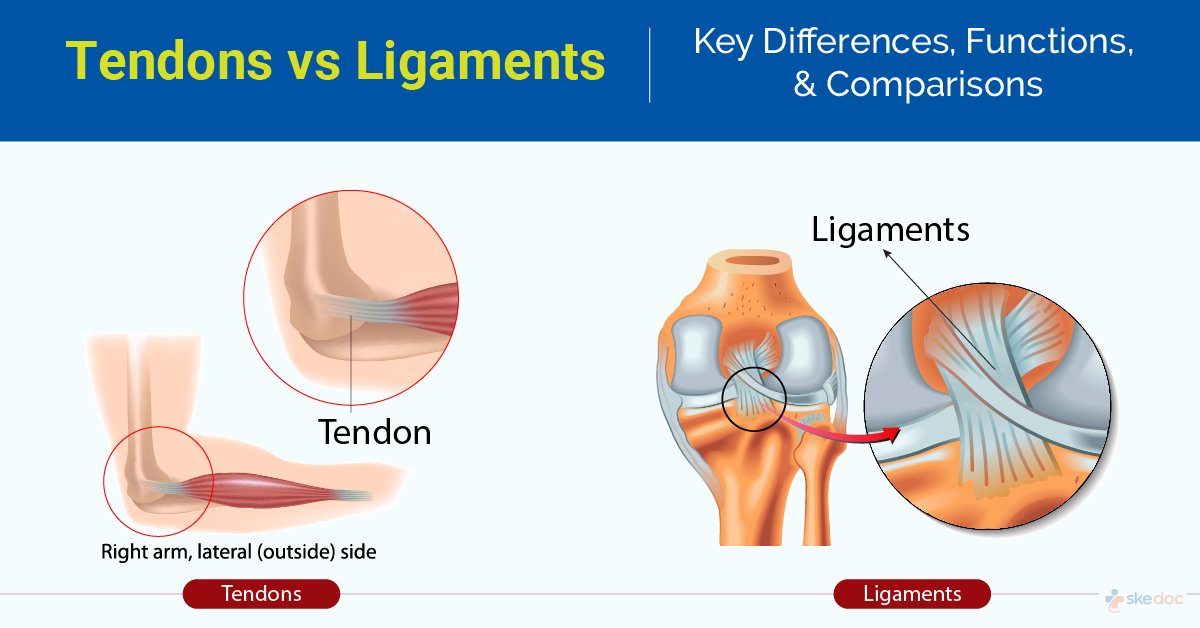
Joints are points where two or more bones meet, allowing for movement, stability, and load-bearing capabilities. Ligaments are strong, fibrous tissues that connect bones to other bones, providing stability and preventing excessive movement that could result in injury. Tendons, although not ligaments, connect muscles to bones and work closely with ligaments to facilitate smooth and controlled motion. Healthy joints and ligaments ensure proper alignment, shock absorption, and functional mobility during athletic activities. Damage or deterioration of these structures can lead to pain, reduced range of motion, chronic instability, and decreased performance, making preventive care essential for athletes at all levels.
Why Joint and Ligament Health Matters for Athletes
Athletes subject their bodies to repetitive stress, high-impact movements, heavy loads, and rapid changes in direction. This places significant strain on joints and ligaments, making them prone to injuries such as sprains, tears, dislocations, and cartilage damage. Maintaining joint and ligament health is crucial for several reasons. First, healthy joints provide the flexibility and range of motion necessary for sport-specific movements. Second, strong ligaments stabilize joints and prevent abnormal movements that can cause acute or chronic injuries. Third, joint health supports muscle efficiency, allowing athletes to generate power, maintain balance, and perform optimally. Finally, preserving joint and ligament integrity ensures longevity in sports, enabling athletes to train and compete consistently over time.
Common Joint and Ligament Injuries in Athletes
Joint and ligament injuries are common among athletes and can range from mild strains to severe tears requiring surgery. Some of the most frequent injuries include anterior cruciate ligament (ACL) tears, medial collateral ligament (MCL) sprains, meniscus tears, shoulder dislocations, ankle sprains, and rotator cuff injuries. Overuse injuries such as tendinitis, bursitis, and cartilage degeneration also affect joints and ligaments. Understanding the mechanisms behind these injuries—such as sudden changes in direction, repetitive loading, inadequate warm-up, or poor technique—helps athletes implement preventive strategies and reduce the risk of long-term damage.
Signs of Joint and Ligament Issues
Recognizing early signs of joint or ligament problems is crucial for timely intervention. Common symptoms include joint pain, swelling, stiffness, reduced range of motion, instability or “giving way,” and unusual sounds such as clicking or popping during movement. Chronic discomfort or recurring injuries indicate underlying issues that require professional assessment. Ignoring these signs can exacerbate damage, lead to long recovery periods, and compromise performance. Athletes should listen to their bodies, report persistent symptoms, and incorporate joint-friendly practices to maintain ligament and joint integrity.
Role of Strength Training in Joint and Ligament Health
Strength training is one of the most effective methods to support joint and ligament health. Properly designed resistance exercises increase muscle mass, which provides dynamic stability to surrounding joints. Strong muscles absorb impact and reduce the strain on ligaments during high-intensity movements. Compound exercises like squats, lunges, deadlifts, and overhead presses, when performed with correct technique, strengthen the musculature around key joints such as knees, hips, shoulders, and ankles. Incorporating unilateral movements, balance training, and core strengthening further enhances joint stability and prevents injuries, making strength training a cornerstone of joint health for athletes.
Flexibility and Mobility for Joint Longevity
Flexibility and mobility exercises are equally important for joint and ligament health. Stretching, yoga, dynamic warm-ups, and foam rolling improve the range of motion, reduce muscle tightness, and enhance joint lubrication. Maintaining flexibility in supporting muscles prevents undue stress on ligaments and reduces the risk of sprains or tears. Mobility work ensures that joints move through their full functional range safely, allowing athletes to execute sport-specific movements effectively. Consistent flexibility and mobility routines are essential for both performance and injury prevention in athletes of all levels.
Nutrition and Supplements for Joint and Ligament Health
Nutrition plays a vital role in maintaining healthy joints and ligaments. Adequate protein intake supports tissue repair and collagen synthesis, which is critical for ligament strength. Vitamins and minerals such as vitamin C, vitamin D, calcium, magnesium, and zinc contribute to bone and connective tissue health. Omega-3 fatty acids from fish, flaxseed, or walnuts reduce inflammation and promote joint lubrication. Collagen supplements, glucosamine, and chondroitin are often used to support cartilage integrity and ligament resilience. Staying hydrated also ensures that synovial fluid—the natural lubricant in joints—functions effectively, reducing friction and wear over time.
Recovery Strategies for Joint and Ligament Health
Recovery is essential for preserving joint and ligament integrity, particularly after intense training or competition. Rest, sleep, and active recovery allow tissues to repair and adapt to physical stress. Cold therapy, heat therapy, and contrast baths reduce inflammation and promote circulation in injured or fatigued joints. Foam rolling, massage, and stretching relieve muscle tightness that can indirectly strain ligaments. For more severe injuries, physical therapy provides targeted interventions to restore mobility, strength, and stability while preventing re-injury. Incorporating recovery strategies into a training routine ensures that joints and ligaments remain healthy and functional for long-term athletic performance.
Preventive Measures to Protect Joints and Ligaments
Preventive strategies are essential for athletes to minimize the risk of joint and ligament injuries. Proper warm-up and cool-down routines prepare joints for physical stress and reduce stiffness. Wearing appropriate footwear, using protective gear, and performing sport-specific drills enhance joint safety. Technique refinement and movement pattern correction prevent excessive stress on ligaments. Cross-training and gradual progression in intensity reduce overuse injuries. Early intervention for minor discomfort, regular strength and mobility training, and consistent monitoring of joint health contribute to long-term prevention and sustainable athletic performance.
The Role of Biomechanics in Joint and Ligament Health
Understanding biomechanics—the study of movement and forces on the body—is key to maintaining joint and ligament health. Poor movement patterns, imbalances, or misalignment can increase stress on specific joints and ligaments, leading to injuries. Biomechanical assessments by professionals help identify weaknesses, improper technique, and structural issues. Corrective exercises, orthotics, or adjustments to training mechanics optimize movement efficiency, reduce joint stress, and protect ligaments. For athletes, integrating biomechanical insights into training routines enhances both performance and longevity.
Common Myths About Joint and Ligament Health
Many athletes believe that joint pain is inevitable with age or that ligaments cannot be strengthened. In reality, proactive training, proper nutrition, and preventive care significantly enhance joint and ligament resilience. Another misconception is that stretching alone is sufficient to prevent injuries. While flexibility is important, strength, mobility, and recovery play equal roles in joint health. Understanding these myths allows athletes to adopt comprehensive strategies that protect their joints and ligaments while improving performance.
Signs You Need Professional Assessment
Certain conditions require professional evaluation to protect joint and ligament health. Persistent pain, swelling, instability, popping sounds, reduced range of motion, or repeated injuries indicate potential ligament tears, cartilage damage, or joint dysfunction. Orthopedic specialists, sports physicians, or physiotherapists can conduct imaging studies, functional movement screenings, and biomechanical assessments to identify underlying problems. Timely professional intervention prevents further damage, ensures proper rehabilitation, and guides safe return to sport.
Integrating Joint and Ligament Care Into Daily Training
Athletes should integrate joint and ligament care into their daily routines to prevent injuries and enhance performance. Warm-ups, mobility drills, strength training, proper nutrition, hydration, and recovery strategies should become consistent habits. Listening to the body and adjusting training intensity prevents overloading joints and ligaments. By treating joint health as a priority rather than an afterthought, athletes can train more efficiently, perform better, and reduce the risk of long-term injury.
Long-Term Benefits of Healthy Joints and Ligaments
Maintaining joint and ligament health provides long-term benefits for athletes and active individuals. Healthy joints support functional movement, athletic longevity, and daily life activities. Strong ligaments prevent instability, reduce the likelihood of chronic injuries, and enhance recovery. Optimal joint health contributes to better posture, balance, coordination, and overall athletic performance. Investing in preventive care, nutrition, and rehabilitation ensures that athletes remain active, competitive, and pain-free throughout their careers and beyond.
Final Thoughts on the Importance of Joint and Ligament Health for Athletes
Joint and ligament health is a cornerstone of athletic performance, injury prevention, and long-term well-being. For athletes and fitness enthusiasts, understanding the structure, function, and care of joints and ligaments is essential for sustaining mobility, strength, and endurance. By implementing strength training, flexibility and mobility work, proper nutrition, recovery strategies, preventive measures, and biomechanical optimization, athletes can protect these critical structures and enhance their overall performance. Regular monitoring, early intervention, and professional guidance further ensure that joints and ligaments remain resilient, functional, and capable of supporting years of athletic activity. Prioritizing joint and ligament health is not only vital for immediate performance but also for maintaining a lifelong active and healthy lifestyle.