Lung health and respiratory efficiency are critical components of athletic performance. Oxygen intake, carbon dioxide removal, and efficient gas exchange directly influence endurance, energy levels, recovery, and overall fitness. For athletes, monitoring lung function is not just about maintaining good health but also about maximizing performance in training and competition. Lung function tests provide valuable insights into respiratory capacity, efficiency, and potential limitations, helping athletes design targeted training programs, prevent respiratory issues, and enhance long-term performance. Understanding which tests to perform, how they are conducted, and what results mean is essential for every athlete seeking to optimize their physical abilities and sustain peak performance.
Athletes rely on their lungs to deliver oxygen to muscles during exercise, which fuels energy production and supports aerobic metabolism. Reduced lung capacity or impaired respiratory function can lead to early fatigue, decreased endurance, and slower recovery. Key lung function tests allow athletes and fitness professionals to measure lung capacity, airflow, and gas exchange efficiency, identifying strengths and weaknesses that impact performance. These tests can also detect early signs of respiratory conditions, such as asthma or exercise-induced bronchoconstriction, allowing for timely intervention and management.
Understanding the Importance of Lung Function in Athletics
Optimal lung function is essential for endurance, speed, recovery, and overall energy efficiency. Oxygen is necessary for aerobic energy production, and carbon dioxide must be efficiently expelled to maintain acid-base balance. Poor lung function can limit oxygen delivery, reduce stamina, and impair muscle performance, even in well-trained athletes. Regular monitoring of lung health ensures that the respiratory system supports high-intensity training and prevents respiratory fatigue during competition.
Lung function is influenced by several factors, including genetics, training, environmental conditions, and overall health. Athletes who participate in endurance sports, high-altitude training, or swimming often develop enhanced lung capacity through consistent exercise. However, exposure to pollutants, allergens, respiratory infections, or improper breathing patterns can compromise lung performance. Key lung function tests provide objective data, allowing athletes to tailor training, recovery, and breathing strategies to maximize respiratory efficiency.
Common Lung Function Tests for Athletes
Several lung function tests are particularly relevant for athletes. Each test provides unique insights into respiratory health, efficiency, and potential limitations. Understanding these tests helps athletes optimize breathing, improve oxygen delivery, and enhance endurance.
Spirometry: Measuring Lung Capacity and Airflow
Spirometry is one of the most common lung function tests used to assess respiratory health. It measures the volume of air inhaled and exhaled and the speed at which air moves in and out of the lungs. Key spirometry metrics include Forced Vital Capacity (FVC), Forced Expiratory Volume in one second (FEV1), and the FEV1/FVC ratio. FVC represents the total volume of air an athlete can exhale after a deep breath, while FEV1 measures the volume exhaled in the first second, indicating airway function.
Spirometry helps identify obstructive or restrictive lung conditions that may affect performance. Athletes with reduced FEV1 or abnormal ratios may experience early fatigue, breathlessness, or exercise-induced bronchoconstriction. Regular spirometry testing allows monitoring of respiratory adaptations from training, detecting improvements in lung capacity, and evaluating the effectiveness of interventions such as breathing exercises or pulmonary rehabilitation.
Peak Flow Measurement: Assessing Maximum Expiratory Speed
Peak flow tests measure the maximum speed at which an athlete can exhale air from the lungs. This test is simple, quick, and often used to monitor asthma or exercise-induced bronchoconstriction. Peak flow meters allow athletes to track daily variations in airway function, helping detect early signs of respiratory limitations or inflammation.
For athletes, peak flow measurements can inform pre-exercise strategies, such as using bronchodilators for asthma or adjusting warm-up intensity to prevent bronchoconstriction. Regular monitoring ensures that respiratory function remains optimal, reducing the risk of sudden fatigue or performance decline during high-intensity activity.
VO2 Max Testing: Evaluating Oxygen Utilization
VO2 max testing is considered the gold standard for measuring aerobic capacity and endurance potential. VO2 max represents the maximum amount of oxygen an athlete can utilize during intense exercise, reflecting cardiovascular and pulmonary efficiency. Higher VO2 max values indicate greater aerobic fitness, endurance, and the ability to sustain prolonged activity.
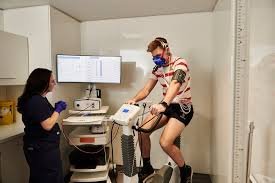
VO2 max testing is usually performed using a treadmill, cycle ergometer, or rowing machine while monitoring oxygen intake, carbon dioxide output, and heart rate. Results guide athletes in setting training intensity zones, designing endurance programs, and tracking improvements over time. VO2 max testing also helps identify respiratory limitations that may require targeted interventions to enhance performance.
Arterial Blood Gas Analysis: Measuring Oxygen and Carbon Dioxide Levels
Arterial blood gas (ABG) analysis evaluates the levels of oxygen, carbon dioxide, and blood pH, providing detailed information on gas exchange efficiency. While more common in medical settings, ABG tests can be valuable for elite athletes training at high intensity or altitude.
ABG testing helps detect hypoxemia, hypercapnia, or acid-base imbalances that can compromise performance and recovery. Athletes with suboptimal gas exchange may benefit from targeted respiratory training, altitude adaptation, or adjustments in training volume to enhance oxygen delivery and utilization.
Lung Diffusion Tests: Assessing Oxygen Transfer Efficiency
Lung diffusion tests, such as the diffusing capacity of the lungs for carbon monoxide (DLCO), measure how efficiently oxygen passes from the lungs into the bloodstream. Efficient gas transfer is critical for endurance sports, where oxygen demand is high.
Athletes with reduced diffusion capacity may experience early fatigue, shortness of breath, or limited endurance. Lung diffusion testing provides insights into alveolar function and pulmonary health, guiding training strategies, breathing exercises, and recovery protocols to maximize oxygen utilization.
Exercise-Induced Bronchoconstriction Testing
Exercise-induced bronchoconstriction (EIB) is a condition where airways narrow during or after exercise, causing shortness of breath, coughing, wheezing, or fatigue. Testing for EIB involves spirometry or peak flow measurement before and after exercise to detect airway responsiveness.
Identifying EIB is essential for athletes to manage symptoms, use preventive medications, and adjust warm-up and breathing strategies. Early detection ensures that performance is not limited by respiratory discomfort and that athletes maintain consistent training intensity.
Pulse Oximetry: Monitoring Oxygen Saturation
Pulse oximetry is a non-invasive test that measures oxygen saturation (SpO2) in the blood. It provides immediate feedback on oxygen delivery and respiratory efficiency during rest or exercise. Athletes can use pulse oximeters to monitor oxygen levels during high-altitude training, endurance events, or recovery periods.
Maintaining optimal oxygen saturation is crucial for energy production, muscle function, and endurance. Regular monitoring allows athletes to detect drops in oxygen levels and take corrective actions, such as modifying intensity, adjusting breathing techniques, or using supplemental oxygen in extreme conditions.
Respiratory Muscle Strength Testing
Respiratory muscle strength tests assess the strength of muscles involved in breathing, including the diaphragm and intercostal muscles. Maximal inspiratory pressure (MIP) and maximal expiratory pressure (MEP) are common measurements. Strong respiratory muscles improve ventilatory efficiency, delay fatigue, and enhance oxygen delivery during intense exercise.
Athletes with weak respiratory muscles may experience early breathlessness, reduced stamina, or inefficient breathing patterns. Respiratory muscle training programs, including inspiratory muscle training (IMT), can improve performance by strengthening the diaphragm and accessory muscles of respiration.
Integrating Lung Function Tests into Training
Regular lung function testing provides data that can be directly applied to training programs. Athletes can adjust aerobic and anaerobic training intensity based on VO2 max results, optimize breathing patterns, and prevent exercise-induced respiratory issues. Tracking improvements in lung capacity, peak flow, and oxygen utilization over time helps identify the effectiveness of training interventions, breathing exercises, and recovery strategies.
For endurance athletes, lung function tests guide pacing, interval training, and high-intensity workouts. For strength athletes, respiratory efficiency supports oxygen delivery during compound lifts and explosive movements. Integrating lung assessments into performance monitoring ensures that respiratory limitations do not hinder overall athletic potential.
Lifestyle Factors Affecting Lung Function
Several lifestyle factors influence lung health and function, including smoking, air quality, exposure to allergens, nutrition, hydration, and training consistency. Athletes should prioritize clean air environments, proper breathing techniques, and regular respiratory training. Adequate hydration maintains mucosal lining and airway function, while balanced nutrition supports lung tissue health. Avoiding smoking and pollutants reduces inflammation and preserves lung capacity. Consistent monitoring through lung function tests ensures that these lifestyle factors positively impact performance.
Monitoring Progress and Preventing Respiratory Issues
Athletes benefit from regular follow-up testing to track improvements in lung function and prevent respiratory issues. Comparing results from spirometry, peak flow, VO2 max, and oxygen saturation tests over time reveals trends in respiratory efficiency. Early detection of declines allows intervention before performance is affected. Preventive strategies, including breathing exercises, pulmonary training, and appropriate warm-ups, maintain optimal lung health and enhance long-term athletic performance.
Conclusion: The Importance of Lung Function Testing for Athletes
Lung function tests are essential tools for athletes seeking to optimize performance, endurance, and recovery. Spirometry, peak flow measurement, VO2 max testing, arterial blood gas analysis, lung diffusion tests, EIB testing, pulse oximetry, and respiratory muscle strength assessments provide valuable insights into respiratory health and efficiency. Monitoring these metrics helps detect limitations, guide training intensity, improve oxygen utilization, and prevent performance-limiting conditions.
Regular assessment of lung function, combined with lifestyle optimization, training strategies, and recovery protocols, ensures that athletes achieve their full potential. Understanding and monitoring respiratory health is not only crucial for performance but also for long-term well-being. By integrating lung function tests into athletic routines, athletes can enhance endurance, energy, and recovery, while reducing the risk of respiratory issues and maintaining peak physical performance throughout their careers.